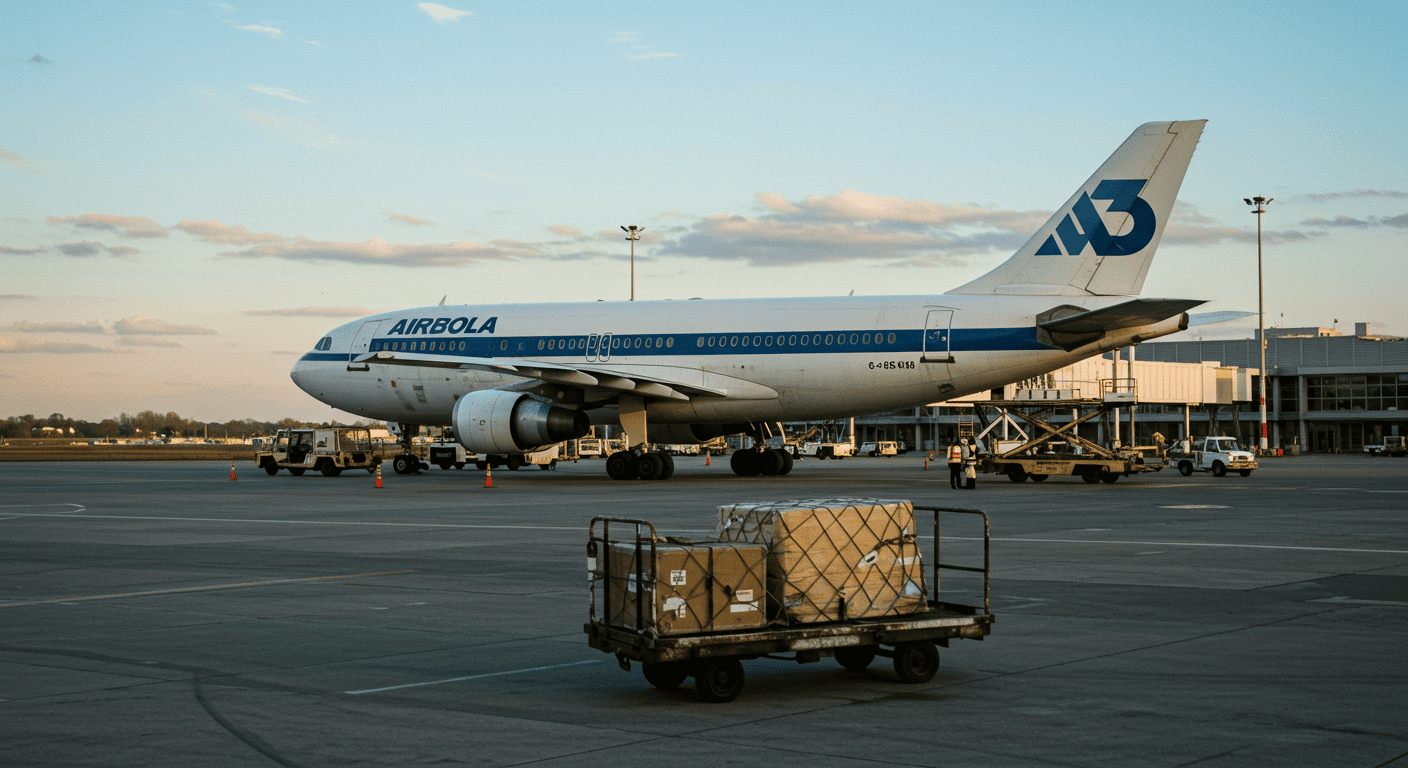
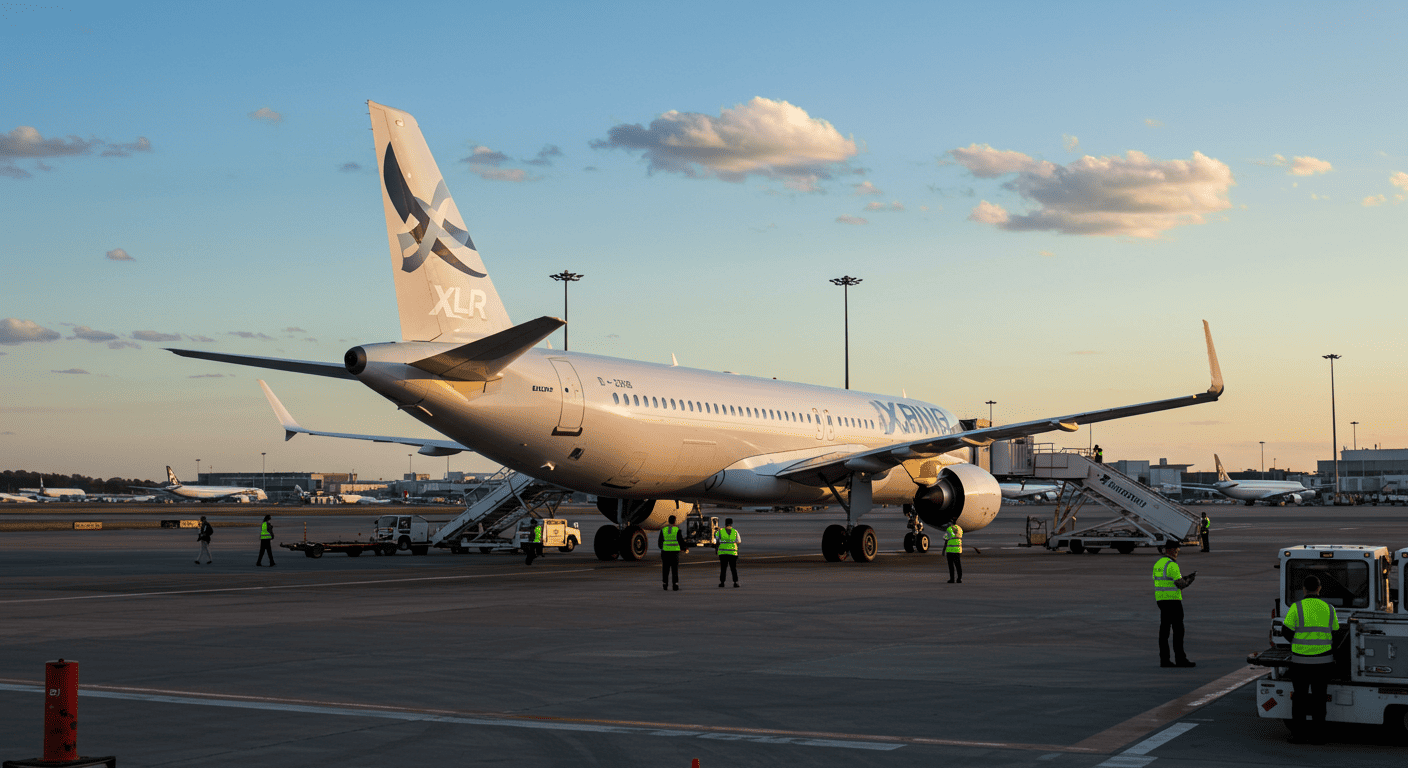
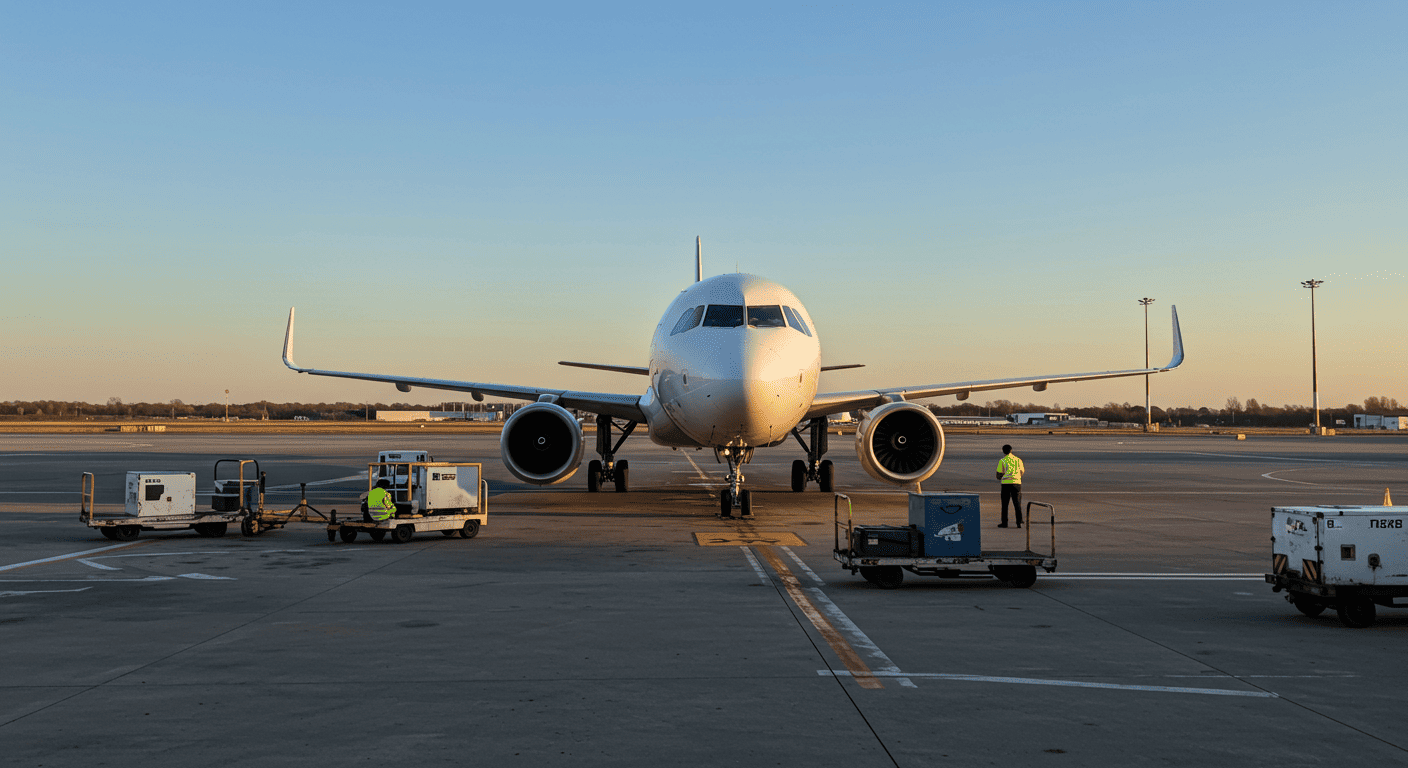
Praised by travelers, the Airbus A220-300 elevates the passenger experience for single-aisle jets. Its design focuses on comfort, featuring wider seats, large windows that fill the cabin with natural light, and some of the most spacious overhead bins in its class. But its appeal isn’t just about amenities. The aircraft also delivers impressive performance and efficiency, with detailed specifications that set it apart.
The Airbus A220-300 sets a new benchmark for efficiency and passenger comfort in the single-aisle market. Its impressive performance is driven by two Pratt & Whitney PW1500G geared turbofan engines. The A220-300 also enhances the passenger experience with a cabin designed for a spacious and open feel.
Specifications of the A220—300
Capacity: 130–160 passengers
Range: 3,600 nautical miles (6,667 km)
Engines: Two Pratt & Whitney PW1500G (up to 23,300 LBF of thrust each)
Maximum Takeoff Weight (TOW): 70.9 tonnes
Dimensions: 38.7 m length, 35.1 m wingspan, 11.5 m height
Cabin Width: 3.28 m
The aircraft’s design focuses on environmental efficiency, achieving a 25% reduction in fuel burn and CO₂ emissions per seat compared to previous-generation aircraft.
Engine details — Pratt & Whitney PW1500G
The Pratt & Whitney PW1500G engines are a key component of the A220-300’s design.
Passenger Experience on the A220—300
The Airbus A220-300 has earned its reputation as a passenger favorite, thanks to a design that prioritizes comfort.
Spacious Seating: A 2-3 seating configuration reduces middle seats, and economy seats are up to 48 cm (19 inches) wide.
Large Windows:Extra-large, strategically placed windows provide excellent views and flood the cabin with natural light.
Ample Storage: The largest overhead bins in its class easily accommodate carry-on luggage.
Cabin Environment:Full-spectrum LED mood lighting reduces fatigue, while advanced air filtration refreshes the cabin air every two to three minutes.
Quiet Journey: The PW1500G engines contribute to a significantly quieter cabin.
Connectivity: Modern in-flight entertainment systems and Wi-Fi are commonly available.
Cabin features — Spaciousness and design
The cabin’s versatility is a key benefit, offering airlines exceptional layout flexibility.
Operational History and Operators
Since its commercial debut in 2016, the Airbus A220-300 has rapidly established itself as a key aircraft for regional and medium-haul travel.
Leading global carriers have adopted the A220-300 to modernize their fleets, taking advantage of its combination of efficiency and passenger comfort.
Delta Air Lines
Air France
Swiss International Air Lines
The aircraft’s versatility gives operators significant network flexibility.
Comparison with A220—100
Feature
A220-300
A220-100
Passenger Capacity
130–160
100–135
Fuselage
Longer (Stretched)
Shorter
Max Range
3,600 NM (6,667 km)
3,450 NM (6,390 km)
Commonality
Over 99% with A220-100
Over 99% with A220-300
Engines
Pratt & Whitney PW1500G
Pratt & Whitney PW1500G
To support its larger size, the A220-300 features a reinforced structure.
Future of the Airbus A220—300
Airbus continues to evolve the A220-300, with several potential upgrades being explored:
Performance improvements
Increased maximum takeoff weight (TOW)
Longer-range variants
Industry speculation also points toward a potential stretched A220-500 version, designed to compete more directly with larger narrow-body aircraft.
The Airbus A350-1000 is the largest member of the A350 family, designed for high-density, long-haul routes with exceptional efficiency. By combining advanced aerodynamics and lightweight materials, it offers airlines lower operating costs and passengers a quieter, more spacious cabin. Here’s a look at its key specifications and features.
The Airbus A350-1000 is the largest member of the advanced A350 family—a twin-engine, wide-body jetliner that redefines long-haul travel. Building on the success of its smaller sibling, the A350-900, this longer variant offers significantly more capacity and efficiency on high-density routes. It’s a masterful combination of state-of-the-art aerodynamics, cutting-edge design, and advanced technologies, combining to deliver superior performance and passenger comfort.
Stretching nearly 74 meters, the A350-1000’s fuselage accommodates significantly more passengers than the A350-900, positioning it as a direct competitor to other large jets. This increased capacity provides airlines with a highly versatile aircraft for connecting the world’s major international hubs.
Environmental sustainability is central to its design, achieved through a lightweight airframe built with over 50% carbon composites and advanced alloys. When paired with its highly efficient Rolls-Royce Trent XWB-97 engines, this approach dramatically reduces fuel burn, CO2 emissions, and noise levels compared to previous-generation aircraft.
Specifications of the Airbus A350—1000
Dimensions and Capacity
Length: 73.79 meters
Wingspan: 64.75 meters
Height: 17.08 meters
Typical Seating: 350–410 passengers (three-class)
Maximum Seating: 480 passengers (single-class)
Performance Metrics
The aircraft’s range is particularly impressive, capable of flying non-stop for up to 16,100 kilometers (8,700 nautical miles) while maintaining an efficient cruising speed of Mach 0.85. This extensive reach, supported by a Maximum Takeoff Weight (TOW) of 319 tonnes, enables it to connect distant hubs with a full complement of passengers and cargo on the world’s most demanding routes.
Its combination of advanced aerodynamics, a lightweight composite airframe, and efficient Trent XWB-97 engines delivers a remarkable 25% reduction in fuel burn and CO2 emissions compared to previous-generation aircraft.
Cabin Features and Comfort
The design of the Airbus A350-1000’s Airspace cabin is designed around the passenger experience. Its extra-wide fuselage creates a tangible sense of space, allowing for wider seats and more personal room, even in economy class.
High ceilings and near-vertical sidewalls enhance the feeling of openness by maximizing shoulder and headspace.
The A350-1000 also incorporates technology to improve passenger well-being:
Advanced Air Filtration: The cabin air is fully renewed every two to three minutes, maintaining optimal humidity and quality to reduce travel fatigue.
LED Mood Lighting: A sophisticated system with millions of color options simulates natural light transitions to help minimize jet lag.
The aircraft’s flexible cabin platform allows airlines to design distinctive premium experiences. Depending on the operator, passengers might find luxurious private suites with closing doors, social lounges, or even exclusive amenities like showers. This versatility allows airlines to tailor the A350-1000 for their flagship routes, offering a new level of comfort in the skies.
Cabin Layout and Sections
The cabin is typically arranged in a three-class configuration:
Business Class: Located at the front, this section often features lie-flat seats with direct aisle access. Many airlines install luxurious private suites with closing doors for maximum privacy.
Premium Economy: This section serves as a middle ground, offering wider seats, more legroom, and enhanced meal services compared to Economy.
Economy: The main cabin typically features a spacious 9-abreast seating configuration with wider seats (around 18 inches), providing more personal space than the 10-abreast layouts on some competing aircraft.
Airline Operators of the A350—1000
The A350-1000 is a flagship aircraft for many prestigious international airlines, valued for its combination of range, capacity, and efficiency on high-demand routes. Key operators deploying it on premier intercontinental services include:
Qatar Airways (launch customer)
Cathay Pacific
British Airways
Delta Air Lines
Airlines favor this aircraft for its significant operational advantages. An extended range of up to 16,100 km, combined with a capacity for 350 to 410 passengers, allows operators to serve distant destinations profitably. The aircraft’s advanced technology, from its fuel-efficient engines to its lightweight composite airframe, translates directly into lower operating costs and a reduced environmental footprint—both critical factors in modern aviation.
The A350-1000’s appeal also lies in the superior passenger experience it enables. The quiet, spacious cabin provides an ideal setting for airlines to showcase their premium products, helping them enhance their brand reputation and attract discerning travelers on competitive long-haul flights.
Delta Air Lines and the A350—1000
Delta Air Lines is deploying the Airbus A350-1000 to modernize its long-haul international fleet. The airline’s configuration provides a high standard of comfort on its most competitive routes, reflecting a commitment to a modern, efficient, and passenger-friendly fleet.
Onboard Delta’s A350-1000, passengers will find a suite of premium amenities designed for connectivity and comfort:
Delta One Suites: Private suites with fully flat beds.
Connectivity: Fast, free in-flight Wi-Fi and in-seat power outlets.
Entertainment: The Delta Studio system with over 1,000 hours of content.
Comparative Analysis: A350—1000 vs A350—900
As the larger sibling in the A350 XWB family, the A350-1000 is essentially a stretched version of the highly successful A350-900. Its primary distinction is length: at 73.79 meters, it is roughly 7 meters longer, which allows it to seat 350–410 passengers compared to the 300–350 capacity of the A350-900.
Supporting its increased size and weight required several key design modifications. The A350-1000 features a slightly larger wing to enhance aerodynamic performance and relies exclusively on two more powerful Rolls-Royce Trent XWB-97 engines. These upgrades allow the aircraft to manage a higher maximum takeoff weight of 319 tonnes without compromising its exceptional performance.
Despite these differences, both models share the A350 family’s core advantages, including up to 25% better fuel efficiency over previous-generation aircraft, lower emissions, and a superior passenger experience.
Conclusion and Future of the A350—1000
The Airbus A350-1000 represents a significant achievement in modern aerospace engineering, combining high capacity, extended range, and exceptional efficiency. More than just a stretched version of its predecessor, it is a strategic tool for airlines competing on high-demand, long-haul routes. By delivering a superior passenger experience with strong economics, the A350-1000 has secured its position as a leader in the wide-body market.
Looking ahead, the Airbus A350-1000 is well-suited to meet the industry’s future demands. As airlines retire older, less efficient four-engine aircraft, the A350-1000 offers a powerful and profitable replacement. Its combination of advanced technology, passenger-focused comfort, and strong environmental performance ensures it will remain a key part of global airline fleets for decades to come.
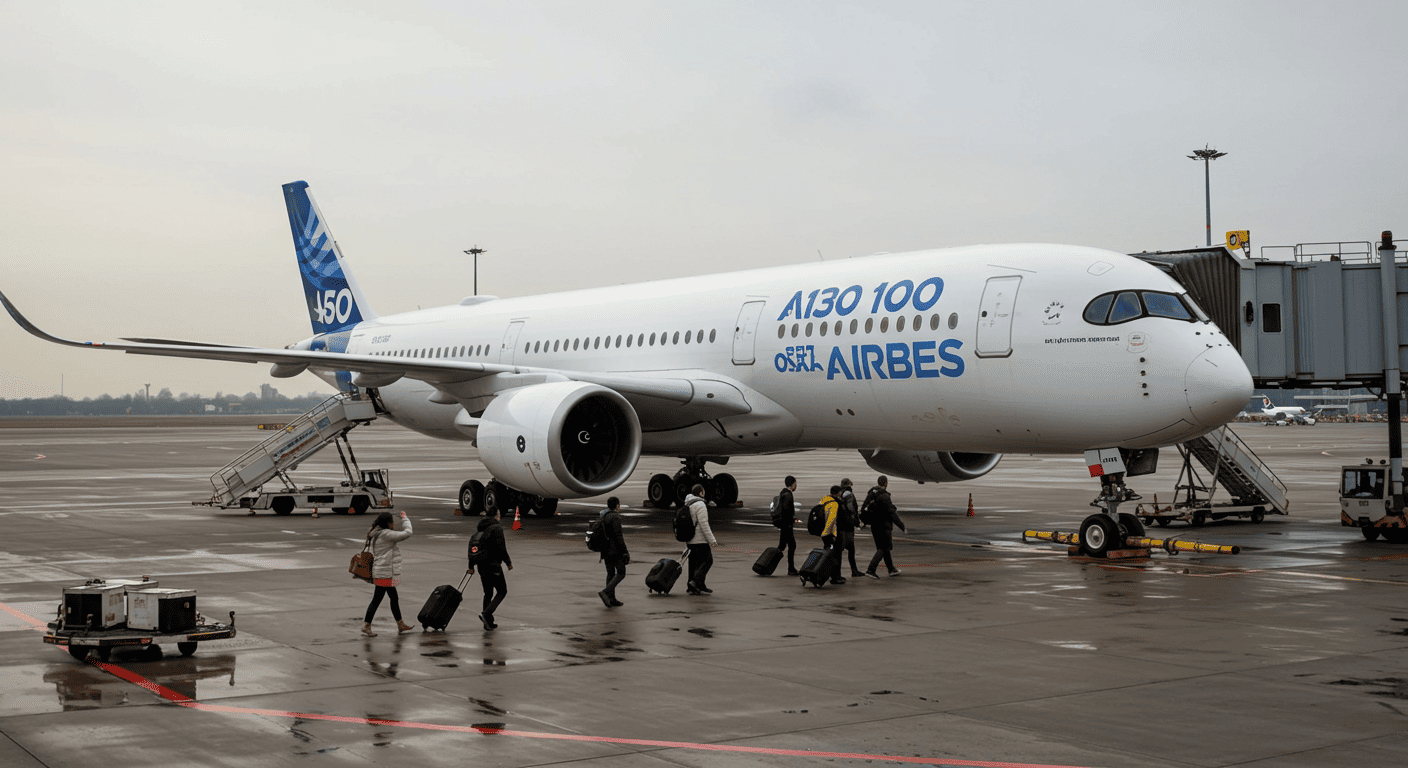
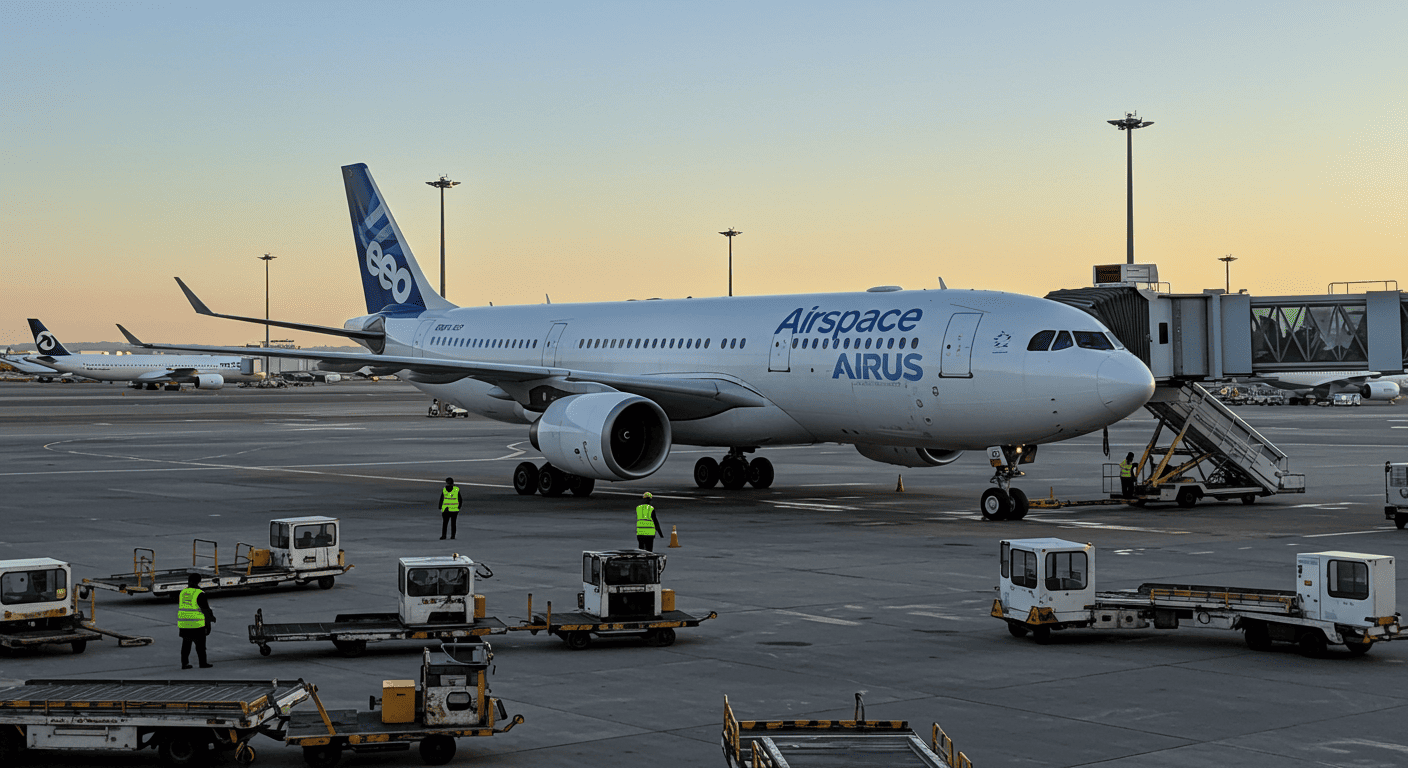
Blending the reliability of a proven airframe with next-generation efficiency, the Airbus A330-900neo has become a standout choice in modern long-haul travel. With its advanced Rolls-Royce engines and passenger-focused Airspace cabin, it offers an excellent balance of performance and comfort. Explore the specifications, features, and routes that define this impressive aircraft.
The Airbus A330-900neo represents a significant evolution of the acclaimed A330 wide-body family, combining proven reliability with next-generation technology.
Key technological advancements distinguish the A330-900neo, most notably its exclusive Rolls-Royce Trent 7000 engines and significant aerodynamic optimizations.
The A330neo family consists of two main variants that differ in capacity and range:
A330-900: The larger model, which retains the fuselage length of the A330-300.
A330-800: The shorter model, which is based on the A330-200 fuselage.
Inside, the innovative Airspace cabin transforms the passenger experience with features designed for passenger comfort and convenience, including:
Significantly larger overhead storage bins
Advanced LED mood lighting to help reduce jet lag
A quieter cabin atmosphere for a more relaxing journey
Specifications of the A330—900neo
Designed to achieve an optimal balance of range, capacity, and efficiency, the Airbus A330-900neo is a versatile wide-body aircraft ideal for medium- to long-haul routes.
In a typical three-class configuration, the A330-900neo accommodates between 260 and 300 passengers.
Key performance metrics for the aircraft include:
Maximum Range: 7,200 nautical miles (13,334 km)
Maximum Takeoff Weight (TOW): 251 tonnes
Engines: Two Rolls-Royce Trent 7000, each providing up to 72,000 pounds of thrust
The aircraft’s primary dimensions are:
Wingspan: 64 meters (including Shark lets)
Length: 63.66 meters (same as the A330-300)
Cruise Speed: Mach 0.86
Performance metrics of the A330—900neo
The aircraft excels in efficiency through the aircraft’s performance, with its Rolls-Royce Trent 7000 engines reducing fuel consumption and CO2 emissions by approximately 25% compared to previous-generation aircraft.
Cabin Design and Comfort Features
Passenger experience in the A330—900neo
Passengers enjoy a range of modern amenities designed for a connected and comfortable journey:
Entertainment: High-definition 4K touchscreens at every seat.
Connectivity: USB power outlets and onboard Wi-Fi access.
Seating: Ergonomically designed seats with features like adjustable headrests for greater personal space.
Quiet Cabin: A serene atmosphere that minimizes travel fatigue on long-haul journeys.
Airbus A330—900neo Routes and Operators
Since its debut with launch operator TAP Air Portugal, the A330-900neo has become a popular choice for modernizing long-haul fleets.
As a dedicated long-haul aircraft, the A330-900neo is designed to connect continents efficiently.
Building on the A330 family’s proven reliability, the A330-900neo has quickly established a strong operational record, with airlines praising its dependable performance as its presence on global routes continues to expand.
Comparative Analysis with Competitors
In the competitive mid-size wide body market, the Airbus A330-900neo competes directly with major competitors: the Boeing 787 Dreamliner and its corporate sibling, the Airbus A350.
The aircraft’s primary competitive advantage is its economic efficiency, driven by the exclusive Rolls-Royce Trent 7000 engines.
When comparing performance, the A330-900neo achieves a careful balance between range, capacity, and cost.
Beyond the numbers, the A330-900neo competes strongly on passenger experience and operational flexibility.
Future Developments and Variants
While the A330-900neo will serve airlines for decades, Airbus is already planning for the next era of aviation, with a forward-looking strategy that emphasizes sustainability and innovative technology for its future wide body platforms.
Much of this future-focused development is emerging from projects for other aircraft families, which serve as test beds for technologies that will likely define the A330neo’s successor.
Central to these efforts is the “Wing of Tomorrow” project, a major research initiative aimed at developing advanced composite wings.
Additionally, Airbus is exploring alternative propulsion systems to meet sustainability targets, with heavy investment in:
Hybrid-electric flight
Hydrogen-powered flight
These technologies could enable the development of a zero-emission successor to the A330neo. While the A330-900neo represents peak current-generation efficiency, Airbus is already preparing the foundation for its replacement.
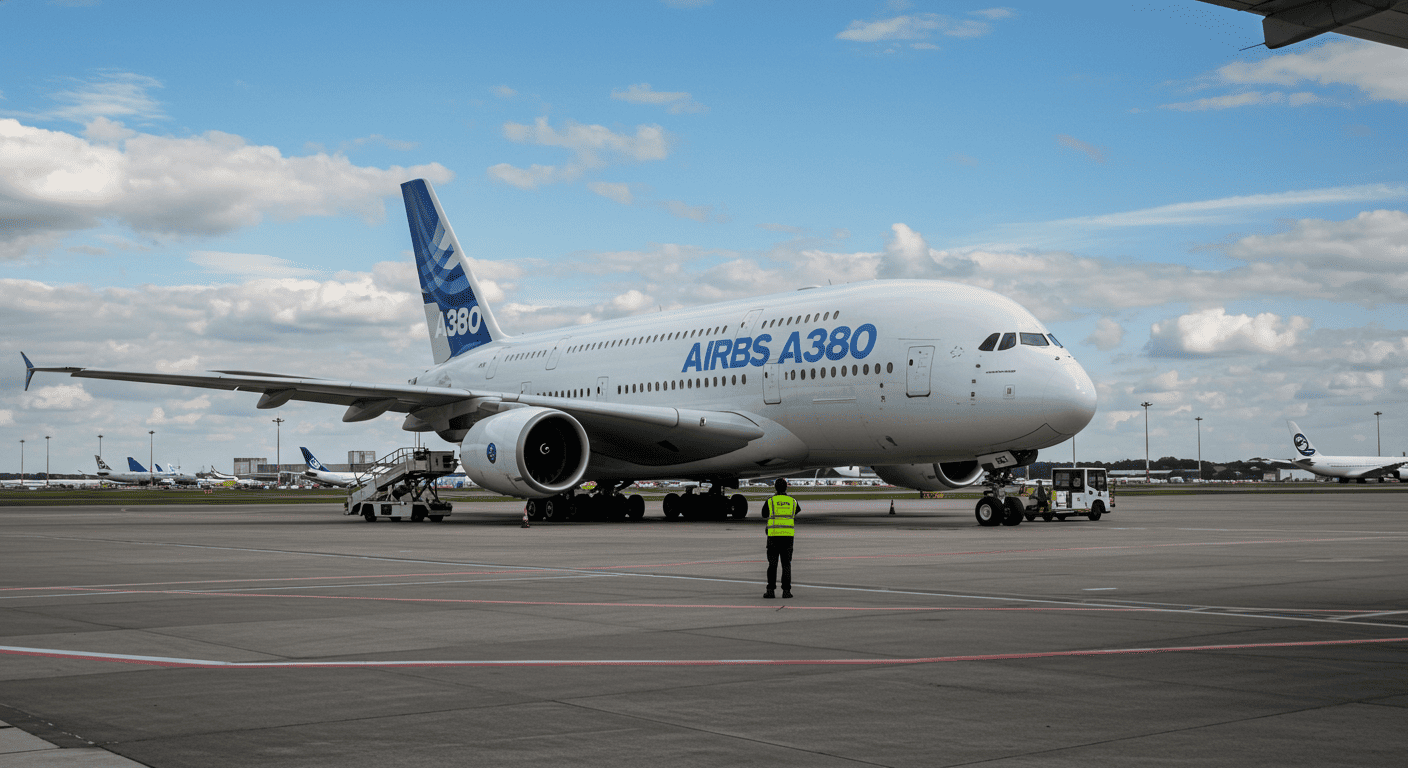
The Airbus A380-800 is an unforgettable giant, easily recognized by its full-length double-deck design that transformed long-haul travel. While famous for luxury features like onboard lounges, its engineering is just as impressive, from its massive wingspan to its quiet, efficient engines. Here’s a closer look at its detailed specifications and the unique features that set it apart.
The Airbus A380-800 is the world’s largest passenger aircraft, defined by a full-length double-deck design that offers exceptional space. Its colossal scale creates a unique travel experience across two floors, typically seating over 500 passengers in a multi-class layout.
Four high-performance engines give the A380-800 an exceptional range, enabling it to connect major global hubs on ultra-long-haul routes. For instance, it can comfortably fly non-stop from Hong Kong to New York, making it a key aircraft for airlines on high-demand international flights.
Beyond its sheer size, the A380-800 also demonstrates innovative engineering. To manage its weight, Airbus extensively used advanced materials like carbon-fiber composites.
Specifications of the Airbus A380—800
While the A380-800’s immense size is its most visible trait, its technical specifications reveal the engineering behind its performance. These figures define everything from its flight capabilities to the airport infrastructure required to support it.
Dimensions:
Length: 72.72 m (238 ft 7 in)
Wingspan: 79.75 m (261 ft 8 in)
Height: 24.09 m (79 ft 0 in)
Capacity:
Typical Seating: 525 passengers (three-class)
Maximum Certified Capacity: 853 passengers (all-economy)
Maximum Takeoff Weight (TOW): 575 tonnes (1,268,000 lbs)
Engines: Four Rolls-Royce Trent 900 or Engine Alliance GP7200 turbofans
These specifications are the foundation of the A380’s operational capabilities. Its massive takeoff weight is supported by four powerful engines, enabling it to connect distant continents without refueling.
Features of the Airbus A380—800
The Airbus A380-800 is more than its impressive dimensions; its advanced features deliver high efficiency, passenger comfort, and environmental responsibility. These elements make the superjumbo not just large, but highly sophisticated.
A key advantage is its exceptional fuel efficiency per passenger. By carrying more travelers than any other commercial aircraft, the A380 achieves a lower fuel burn per seat, which directly reduces its environmental footprint and makes it an economically sound choice for high-demand routes.
Despite its four powerful engines, the A380 is one of the quietest wide-body aircraft ever built. Its advanced engine technology and aerodynamic design drastically cut noise pollution, both inside the cabin and for communities near airports.
The A380’s large cabin provides exceptional comfort and space. Passengers benefit from wider seats, more personal space, and a smoother ride due to the aircraft’s size and stability. Additionally, its advanced air circulation systems, which refresh the cabin air every two to three minutes, help reduce travel fatigue on long-haul journeys.
Seating Arrangements in the Airbus A380—800
Airlines gained significant flexibility from the A380-800’s full-length double-deck design. This two-story layout created a massive interior volume, allowing carriers to introduce unique, comfort-oriented spaces that transformed the long-haul travel experience.
Airlines typically used the two decks to create distinct zones for different travel classes. The wider main deck usually housed most of the Economy Class seats—often in a spacious 3-4-3 layout—along with Premium Economy.
Although certified for up to 853 passengers, no airline ever implemented such a high-density layout. Instead, carriers prioritized comfort, typically opting for spacious three- or four-class configurations for 450–550 passengers, leaving room for unique amenities.
This spatial freedom led to innovative social areas and features previously not feasible on a commercial plane. Emirates, its largest operator, famously installed onboard lounges, bars, and even Shower Spas for premium passengers. These luxurious amenities transformed the aircraft from a mode of transport into a destination, setting a new benchmark for in-flight luxury.
Airbus A380—800 Operators
The A380-800 was operated by a select group of the world’s leading airlines, with notable carriers including:
Emirates: The largest operator, with a fleet of over 100 A380s.
Singapore Airlines: The launch customer for the aircraft.
Lufthansa
Qantas
British Airways
These airlines strategically deployed the A380 on high-density, long-haul routes connecting major international hubs like London to Dubai or Sydney to Los Angeles.
Although Airbus concluded A380 production in 2021, the aircraft remains a prominent fixture in global aviation. Existing operators continue to fly their fleets, with many investing in significant cabin refurbishments to extend their service life.
Technological Innovations in the Airbus A380—800
The Airbus A380-800 was more than an achievement in scale; it was a platform for pioneering aerospace technology. Its design introduced key innovations in efficiency, weight reduction, and operational performance.
The extensive use of advanced materials was essential. To manage its immense weight, Airbus built the airframe with significant amounts of carbon-fiber reinforced plastic (CFRP) and next-generation aluminum-lithium alloys. These composites, comprising roughly 25% of the structure, were critical for shedding weight, directly improving fuel efficiency and extending its range.
The A380 also changed the design process. It was the first commercial aircraft developed using a full digital mock-up, allowing engineers to simulate and perfect every component virtually before manufacturing began. This digital approach not only enhanced engineering precision but also streamlined the complex assembly process.
Its operational systems were also innovative. The A380 introduced the Brake-to-Vacate (BTV) system, a smart technology that automatically manages deceleration to help pilots reach a pre-selected runway exit, optimizing runway usage. Such advancements didn’t just improve performance; they also contributed to more sustainable aviation goals, setting a new standard for very large aircraft.
The History of the Airbus A380—800
The development of the Airbus A380-800 was driven by bold ambition and groundbreaking engineering. It began in the 1990s as a direct response to growing congestion at major international airports, with the goal of creating an aircraft that could carry more passengers than any before it to reduce the number of flights on high-demand routes.
After years of intensive development, the A380 took to the skies for its maiden flight on April 27, 2005, in Toulouse, France. The event was a significant moment in aviation history, showcasing the result of innovative design and manufacturing.
The A380 entered commercial service with Singapore Airlines in 2007 and quickly became a passenger favorite, celebrated for its quiet, smooth ride and luxurious amenities.
However, the limited market for such a large aircraft prompted Airbus to end A380 production, and the final superjumbo was delivered in 2021.
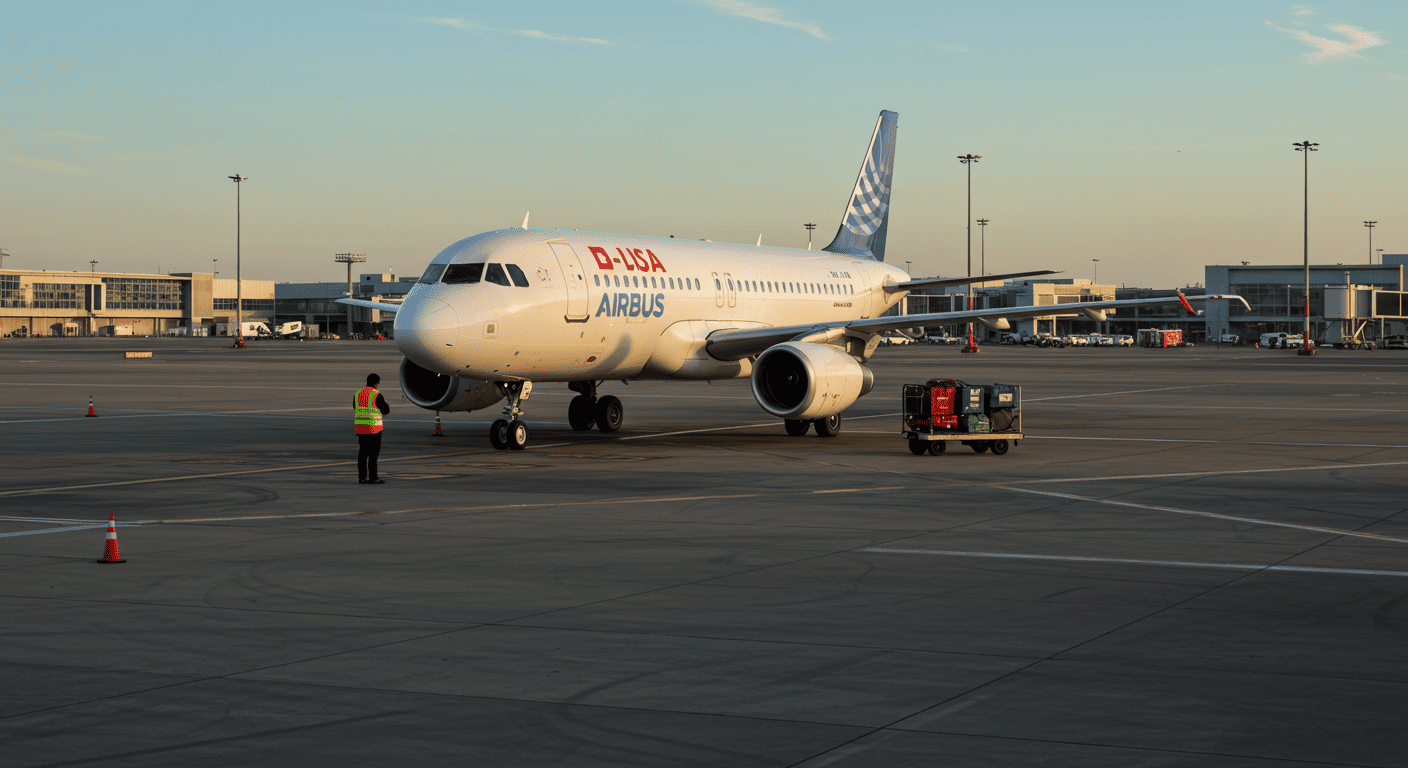
As the smallest member of the successful A320 family, the Airbus A318 earned the nickname “Baby Bus.” While it never achieved the widespread success of its larger siblings, its unique design allowed it to serve niche markets, including airports with challenging approaches like London City. This specialization gave it a distinct place in aviation history. Here’s a closer look at its specifications, features, and unique story.
Affectionately nicknamed the “Baby Bus”, the Airbus A318 is the smallest member of the highly successful A320 family.
Despite its smaller stature, the A318 delivers impressive performance, capable of connecting distant city pairs and giving airlines crucial operational flexibility on less dense routes.
Perhaps its most notable feature is its certification for steep approach operations, a unique capability allowing it to land at airports with challenging approaches like London City Airport.
Specifications of the Airbus A318
As the most compact aircraft in the A320 family, the A318’s specifications are tailored for efficiency on short-to-medium-haul routes.
Performance Capabilities
With a maximum range of 3,100 nautical miles (5,750 km) and a takeoff weight (TOW) of 68,000 kg (150,000 lb), the A318 is well-suited for transcontinental flights or connecting key European city pairs.
The aircraft is powered by two high-bypass turbofan engine options: the CFM International CFM56-5B or the Pratt & Whitney PW6000.
While the A318’s certification for steep approach operations was a standout feature, its overall performance profile came with trade-offs.
Airbus A318 Operators
As the smallest and least-produced member of the A320 family, the A318 attracted a niche group of operators, who used it for specialized network needs rather than on mainstream, high-capacity routes.
Major operators of the Airbus A318 included:
Launch Customer: Frontier Airlines, which took delivery in 2003.
Largest Operator: Air France, which used it extensively on its short and medium-haul network.
Other Notable Operators: TAROT (Romania’s national carrier) and Avianca.
Perhaps the A318’s most famous role was with British Airways, which operated a premium, all-business-class service between London City Airport (LCY) and New York’s JFK Airport.
Many operators have since retired the A318, opting for more fuel-efficient alternatives like the Airbus A220.
Development and Design of the Airbus A318
The A318 was developed to compete in the 100-seat market segment.
Its design featured a shortened fuselage but inherited the advanced fly-by-wire controls and common cockpit of the A320 family — a major selling point for airlines.
Cost and Economic Factors
With a new aircraft purchase price of approximately $48 million, the Airbus A318 was positioned as the least expensive model in the A320 family.
Despite its lower purchase price, the A318’s economic efficiency was hampered by high per-seat operational costs.
However, the A318 found a profitable niche in specialized operations where its unique capabilities offered a clear economic advantage.
However, the aircraft’s broader economic appeal was limited by several factors:
Limited Cargo Revenue: Incompatibility with standard cargo containers restricted its ability to generate ancillary income from freight.
Stiff Competition: It faced competition from both more modern regional jets and its larger, more economical siblings in the A320 family, which offered superior performance for most airlines.
Conclusion and Future of the Airbus A318
The Airbus A318 is nearing the end of its commercial service life. Its role has been largely supplanted by newer, more efficient aircraft. Despite its limited production run, the A318 is remembered as a highly specialized aircraft. The “Baby Bus” will be remembered as a unique variant that met operational demands few other aircraft could.
The Airbus A300 changed commercial aviation with its innovative design: a wide-body, twin-aisle aircraft powered by just two engines. This configuration established Airbus as a major competitor to American manufacturers and set a new standard for fuel efficiency that would influence aircraft design for decades.
The Airbus A300 is a landmark in aviation history, marking Airbus’s successful entry into the commercial aircraft market. As the manufacturer’s first production aircraft, it pioneered an entirely new category of airliner: the world’s first twin-engine, double-aisle aircraft. This revolutionary concept combined the spaciousness of a wide-body jet with the unprecedented economic efficiency of just two engines.
Developed by the European consortium Airbus Industries GIE—the forerunner to modern Airbus SE—the program was officially launched in 1972. Development progressed at a remarkable pace, and its maiden flight took place on October 28, 1972. Following successful testing, the Airbus A300 entered commercial service with launch customer Air France on May 30, 1974. This milestone established a new standard for medium-haul travel and paved the way for decades of innovation. Its production run of over 35 years, from 1971 until 2007, demonstrates its enduring design and versatility.
Key Specifications of the Airbus A300
The A300’s specifications established a new benchmark for medium-haul airliners:
Dimensions: Fuselage diameter of 5.64 m (18 ft 6 in), length from 53.61 m (175 ft 11 in) to 54.08 m (177 ft 5 in), and a wingspan of 44.84 m (147 ft 1 in).
Cabin: A spacious twin-aisle layout, typically configured with eight-abreast seating.
Capacity: Accommodates around 266 passengers in a two-class layout (over 300 in high-density configurations) and up to 22 standard LD3 cargo containers.
Performance (A300-600R): Maximum range of 7,500 km (4,050 NMI), a cruise speed of Mach 0.78 (833 km/h or 518 mph), and a service ceiling of 40,000 ft (12,200 m).
The A300 was powered by advanced high-bypass turbofan engines, with options evolving over its production life:
Initial Models: Offered a choice of the General Electric CF6-50 or the Pratt & Whitney JT9D.
Later Variants (e.g., A300-600): Equipped with more powerful and efficient power plants, including the General Electric CF6-80C2 and the Pratt & Whitney PW4000 series.
Variants of the Airbus A300
The Airbus A300 was never a single, static design; it was the foundation for a versatile family of aircraft. Throughout its long production run, the platform evolved to meet evolving airline demands for greater range, capacity, and efficiency. This continuous development led to several distinct variants, each building on the success of its predecessor with key improvements.
Airbus A300 in Service
Following its commercial debut, the A300’s adoption was initially slow. Soon enough, however, its remarkable efficiency and innovative design won over airlines worldwide, establishing it as a reliable workhorse for medium-haul passenger transport.
Decades after its debut, the A300 found a remarkable second life. While most passenger versions have long been retired, the aircraft remains a major player in the global air freight industry. Its robust design and voluminous fuselage made it a prime candidate for cargo conversion, and by 2020, over 200 were still in service—primarily as dedicated freighters for major operators like FedEx Express and Mahan Air.
The A300’s enduring popularity in freight operations stems from its effective combination of range and payload capacity, which enables the efficient transport of heavy shipments. This blend of reliability and performance ensures it remains an indispensable asset, proving the longevity of its groundbreaking design.
Safety Record and Incidents
Over its extensive service life, the Airbus A300 has been involved in several major accidents. Across nearly five decades of global operations, the aircraft has experienced 24 to 26 hull-loss incidents, resulting in over 1,100 fatalities.
Investigation into these events often pointed to external factors rather than flaws in the aircraft’s design. Many notable accidents were attributed to pilot error, air traffic control mistakes, or even misidentification. Two of the most tragic examples include the 1994 crash of China Airlines Flight 140 and the 1997 Garuda Indonesia Flight 152 disaster. These incidents became crucial case studies, leading to industry-wide improvements in crew training and operational procedures.
Following these events, the A300’s safety record saw progressive improvement. Enhanced pilot training protocols and key technological upgrades were key to creating safer operations during its later years. This evolution helped solidify the aircraft’s reputation for structural robustness, allowing it to remain a valued and reliable asset, particularly in demanding air cargo operations.
Technological Innovations of the A300
The Airbus A300 was a technological pioneer that introduced major changes to commercial aviation. Its core innovation was the twin-engine, wide-body concept, which broke from the triplet and quad-jet convention for large aircraft. This design offered unprecedented operational efficiency and set a new standard for medium-haul routes.
Inside the cockpit, the A300 introduced features that would become industry norms. It was among the first airliners to incorporate a glass cockpit, replacing traditional mechanical dials with electronic flight instrument displays. This advanced interface simplified flight management and reduced pilot workload by providing clearer, more comprehensive data.
These advanced design choices did not end with the A300. The aircraft’s advanced metal construction and innovative systems provided the foundation for future Airbus models. The subsequent A310 and A330 were direct beneficiaries of the A300’s technological legacy, inheriting and refining its core principles of efficiency, advanced avionics, and operational safety. The A300 thus established a design philosophy that guided an entire generation of commercial aircraft.
The Legacy of the Airbus A300
The Airbus A300 is the foundation of Airbus’s success as a global aerospace giant. Its introduction represented a monumental gamble by the fledgling Airbus consortium, directly challenging the dominance of American manufacturers. The A300’s success proved that a European collaboration could innovate, permanently altering the competitive landscape of commercial aviation.
The A300’s design philosophy had a lasting impact. Its twin-engine configuration was a radical departure for a wide-body jet, proving that operational efficiency on medium-haul routes did not require three or four engines.
Beyond its technical achievements, the A300’s greatest legacy is arguably Airbus itself. The program’s success secured the consortium’s future, providing the financial and reputational foundation needed to develop a complete family of aircraft. The principles of operational efficiency and advanced aerodynamics established with the A300 became central to all subsequent Airbus models. From the shorter A310 to the long-range A330, the lineage traces directly back to this pioneering aircraft.
Decades after its debut, the A300’s story continues in its second life as a freighter. A robust airframe and spacious cargo hold have guaranteed its continued service with major cargo operators, demonstrating its enduring and adaptable design. This lasting presence in the skies highlights its legacy as a revolutionary and resilient aircraft.
By combining the efficiency of a single-aisle jet with intercontinental reach, the Airbus A321XLR is reshaping how airlines approach long-haul routes. This aircraft makes it possible to connect smaller cities directly, avoiding major hubs and offering passengers more convenient travel options.
The Airbus A321XLR represents a new frontier in aviation, combining narrow-body efficiency with wide-body range.
These enhancements give the aircraft a range of up to 4,700 nautical miles (8,700 kilometers), connecting distant city pairs like Rome to New York or Tokyo to Sydney—routes traditionally served by wide-body jets.
For airlines, the A321XLR lowers the financial risk of network expansion. It opens up new point-to-point routes, especially between secondary cities that may not have the demand to support a large wide-body jet.
Specifications and Performance of A321XLR
The A321XLR’s cabin flexibility is a key attribute, giving airlines the freedom to tailor layouts for specific routes. While it can accommodate up to 244 passengers in a high-density configuration, most operators opt for more spacious two-class arrangements of 180 to 220 seats to balance capacity with long-haul comfort.
This adaptability is evident in the diverse cabin layouts chosen by early operators:
Iberia: A premium-focused configuration with 182 seats for transatlantic flights.
Qantas: A 197-passenger layout.
American Airlines: A spacious 155-seat, three-class cabin featuring 20 lie-flat business suites, 12 premium economy seats, and 123 economy seats.
Advanced engines and aerodynamics drive the A321XLR’s performance. Airlines can choose between two highly efficient options: the Pratt & Whitney PW1100G-JM and the CFM International LEAP-1A.
Passenger Experience on the Airbus A321XLR
The Airbus A321XLR is designed to provide a long-haul passenger experience comparable to that of a wide-body aircraft, centered around the Airbus Airspace cabin.
Several features enhance in-flight wellness:
Advanced LED mood lighting: Mimics different times of day to help reduce jet lag.
Upgraded air circulation: Refreshes cabin air every two to three minutes for a healthier environment.
Thoughtful cabin design: Guarantees every window seat aligns perfectly with a window.
The high level of customization is a key advantage. The platform supports ultra-premium configurations, including lie-flat business class suites and lounge areas.
Airbus A321XLR Operators and Deliveries
The Airbus A321XLR entered service in November 2024 with launch operator Iberia. Following this debut, other major carriers like Qantas are set to introduce the aircraft in 2025, using its extended range to open new transcontinental and intercontinental routes previously unserviceable by a narrow-body jet.
The aircraft’s appeal extends beyond commercial airlines, with military operators like the Royal New Zealand Air Force adopting it for its versatility and efficiency. As production increases, the list of operators is expected to grow significantly.
A321XLR vs A321neo — Key Differences
The primary distinction is its ‘Extra Long Range’ capability. The A321XLR can fly up to 4,700 nautical miles (8,700 km)—a 15% increase over the 4,000-nautical-mile range of its sibling, the A321LR. This extended reach allows carriers to connect distant city pairs with the efficiency of a single-aisle aircraft.
This increased range stems from significant structural and engineering modifications:
Permanent Rear Centre Tank (RCT): An integrated tank holding an additional 12,900 liters of fuel, unlike the A321LR’s optional, removable tanks.
Increased Maximum Takeoff Weight (TOW): Raised to 101 tonnes to support the extra fuel weight.
Structural Reinforcements: The landing gear and central wing box are strengthened to handle the demands of long-haul flights.
Beyond fuel and weight, these changes grant significant operational flexibility. While the A321neo and XLR share fuel-efficient engines and a passenger cabin, the XLR allows airlines to profitably operate long, thin routes—those with steady demand that does not justify the capacity of a wide-body jet.
Future of the Airbus A321XLR
By enabling more point-to-point routes, the A321XLR is set to change long-haul travel. Airlines are expanding their fleets to connect secondary cities globally, bypassing major hubs and benefiting from the aircraft’s significantly lower operating costs compared to wide-body jets.
Technological advancements, particularly in sustainability, are key to the A321XLR’s future. Airbus is targeting 100% Sustainable Aviation Fuel (SAF) capability by 2030. This goal, combined with the jet’s low fuel burn, gives it a significant environmental advantage over the older wide-body aircraft it is set to replace.
The Airbus A320neo has quickly become the preferred choice for airlines modernizing their fleets, capturing a massive share of the single-aisle market. Its success is built on next-generation engines that deliver significant fuel savings and a much quieter ride. These core advantages establish the A320neo as a leader in its class.
The Airbus A320neo represents a significant evolution for one of the world’s most popular single-aisle aircraft. The name “neo” stands for “new engine option,” highlighting its core upgrades: advanced engines and improved aerodynamics. These innovations combine to deliver significant gains in performance and sustainability, setting a new benchmark for short- to medium-haul flights.
Key to these enhancements are two next-generation engine options and distinctive “Shark let” wing tip devices. Together, they achieve a 15-20% improvement in fuel efficiency over predecessors. This improved performance results in lower emissions, a significantly reduced noise footprint, and substantial operational savings for airlines.
The A320neo quickly became a market leader after its first flight in 2014 and entry into commercial service in 2016. Its blend of efficiency, reliability, and passenger comfort appealed to airlines worldwide, leading to an order book of over 11,000 aircraft. This success solidifies its position as a top choice for carriers modernizing their fleets and improving operational performance.
Key Specifications of the A320neo
The A320neo is not a single model but a versatile family of aircraft. It comprises the A319neo, A320neo, and A321neo, each tailored for specific routes and passenger loads to give airlines exceptional operational flexibility.
The A320neo family’s performance extends well beyond short-haul flights. The A321XLR variant, for instance, has a maximum range of 4,700 nautical miles (8,700 km), enabling it to connect continents on routes previously unviable for single-aisle jets. This extended range, paired with significant fuel savings, allows airlines to expand their networks and offer new direct connections to travelers.
To better illustrate the differences, here is a breakdown of the key specifications for each member of the A320neo family:
Specification
A319neo
A320neo
A321neo
Passenger Capacity (Typical 2-Class)
120–150
150–180
180–220
Max Seating
160
194
244
Length
33.84 m (111 ft)
37.57 m (123 ft 3 in)
44.51 m (146 ft)
Range
3,750 NM (6,940 km)
3,400 NM (6,300 km)
4,000 NM (7,400 km)
Maximum Takeoff Weight (TOW)
75.5 tonnes
79 tonnes
97 tonnes
Engine Options for the A320neo
Airlines can choose between two advanced engine options: the CFM International LEAP-1A and the Pratt & Whitney PW1100G-JM. This flexibility allows operators to select the engine that best aligns with their operational and maintenance strategies.
These engines are the main reason for the A320neo’s acclaimed fuel efficiency and lower CO2 emissions. They also significantly reduce the aircraft’s noise footprint, which improves in-cabin comfort and benefits communities near airports.
The benefits of these new engines are amplified by the A320neo’s aerodynamic enhancements, particularly the Shark let wing tips. This combination of advanced propulsion and refined aerodynamics enables the aircraft’s extended range and superior performance, solidifying the A320neo family’s leadership in the single-aisle market.
Fuel Efficiency and Environmental Impact
The Airbus A320neo achieves a 15-20% improvement in fuel efficiency over its predecessors. This gain comes from the combination of its new-generation engines and aerodynamic refinements, particularly the iconic Shark let wing tips. For airlines, this results in both substantial operational cost savings and a proportional drop in CO2 emissions, making the A320neo a key part of any strategy to reduce carbon footprints.
Beyond fuel savings, the A320neo also significantly reduces noise pollution. Its advanced engine technology cuts the aircraft’s noise footprint by up to 50% compared to older jets, benefiting communities near airports. This quieter operation allows for more flexible flight schedules and helps the aircraft meet the most stringent ICAO standards, making it a welcome addition at noise-sensitive airports.
The A320neo is also designed for long-term sustainability. The aircraft is fully certified to operate with blends of up to 50% Sustainable Aviation Fuel (SAF). This capability allows operators to immediately reduce their net carbon emissions even further, positioning the A320neo family as a practical step toward more sustainable air travel.
Passenger Experience on the A320neo
Inside, the Airbus A320neo features the modern Airspace cabin, which creates an open and comfortable passenger experience. A key feature is the customizable LED mood lighting, capable of simulating different times of day to help reduce jet lag and create a more relaxing atmosphere.
The cabin also includes practical, passenger-focused improvements. Larger overhead bins, for instance, offer significantly more space for carry-on luggage and help speed up the boarding process. Seats are ergonomically designed for comfort, while modern amenities like personal USB ports and seat-back entertainment systems are common fixtures.
One of the most noticeable upgrades is the quietness of the journey. Thanks to its advanced engines, the cabin is a quieter and less fatiguing environment, making it easier to relax, work, or hold a conversation. Airlines offer various configurations—from multi-class layouts to seats with extra legroom—to ensure the A320neo delivers a premium experience for every traveler.
Operational History and Market Presence
Since entering service in 2016, the Airbus A320neo has rapidly become a major force in the single-aisle aircraft market. Its combination of fuel efficiency, passenger comfort, and operational reliability appealed immediately to airlines worldwide. This popularity is reflected in the numbers: with over 11,000 orders and thousands of delivered aircraft, the A320neo family has captured approximately 60% of the market share and established a strong lead over competitors like the Boeing 737 MAX.
With more than 130 customers across every continent, the aircraft’s appeal is truly global. Its versatility makes it a fit for diverse carriers, from major international airlines to low-cost operators. Industry leaders like IndiGo and Lufthansa have made the A320neo a cornerstone of their modern fleets, leveraging its performance across extensive networks. This widespread adoption is a testament to the aircraft’s ability to meet a vast range of operational demands.
Beyond impressive sales figures, the A320neo has earned a reputation for reliable performance in daily service. The global fleet has successfully completed millions of flights, accumulating a vast number of flight hours. This track record demonstrates the aircraft’s exceptional reliability and efficiency, solidifying its status as a top choice for airlines modernizing their fleets for a sustainable future.
A320neo Variants and Their Differences
The A320neo’s market success comes from its versatility as an entire family of aircraft. While all variants share the same core upgrades—next-generation engines and Shark let wing tips—each model is tailored to meet specific airline needs for capacity and range.
The family offers three distinct sizes to cover various market segments:
A319neo: The smallest member, ideal for routes with lower passenger demand or airports with operational constraints.
A320neo: The baseline and most popular model, offering a balanced combination of capacity (typically around 180 passengers) and range for a wide variety of routes.
A321neo: The largest variant, designed for high-density routes and capable of seating up to 244 passengers.
Building on the A321neo platform, Airbus introduced two extended-range versions that have redefined long-haul travel with narrow-body aircraft:
A321LR (Long Range): Incorporates additional fuel tanks to extend its range to 4,000 nautical miles, enabling new routes like transatlantic flights.
A321XLR (Extra Long Range): Extends the boundaries further with a range of 4,700 nautical miles, allowing operators to fly long-haul routes with the efficiency of a single-aisle jet.
Future Developments and Innovations
Despite its market-leading position, the Airbus A320neo family is continually evolving. Airbus is committed to a strategy of continuous improvement—often called a “neo-plus” initiative—to keep the aircraft at the forefront of single-aisle technology. This approach focuses on integrating next-generation systems and enhancing performance to meet the changing demands of airlines and regulators.
The flight deck is a key area of innovation. Airbus is developing next-generation cockpit concepts to prepare the A320neo for the future, incorporating tighter system integration and advanced AI-based pilot support tools. The goal is to reduce pilot workload, improve situational awareness, and enhance the aircraft’s already high safety standards, ensuring its operational efficiency for decades to come.
Sustainability and versatility remain central to the A320neo’s future. Airbus is committed to maintaining the family’s adaptability to a wide range of routes while improving environmental performance. This includes ongoing improvements in fuel efficiency and ensuring full compatibility with Sustainable Aviation Fuels (SAF). By embracing these innovations, Airbus not only extends the A320neo’s market resilience but also solidifies its role as a cornerstone of modern, sustainable aviation.
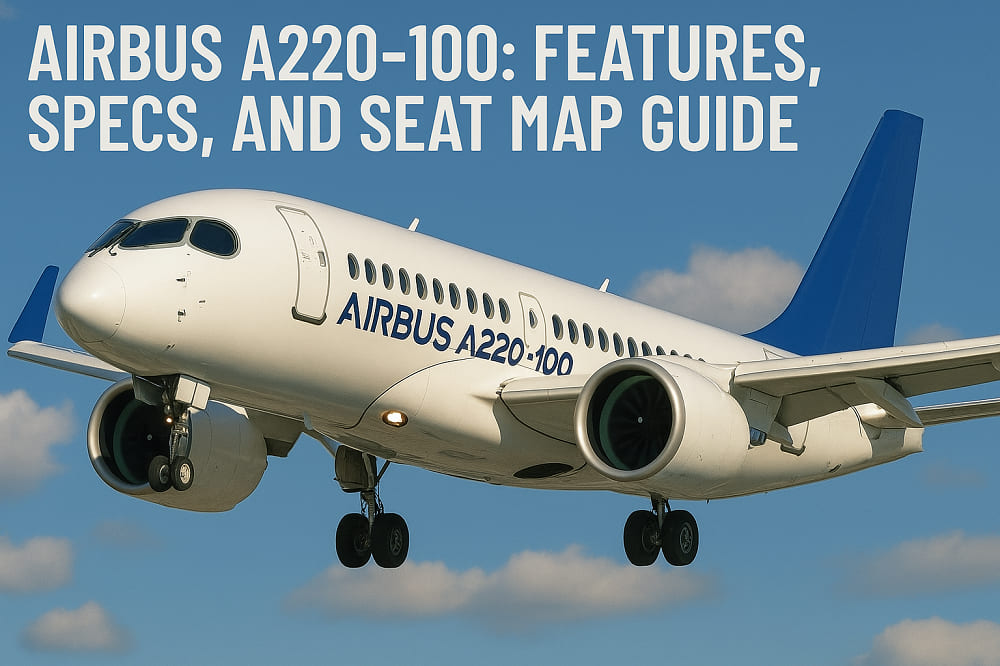
Discover the revolutionary Airbus A220-100, a game-changing aircraft that’s reshaping the aviation industry with its innovative design, exceptional efficiency, and superior passenger comfort. Let’s explore what makes this remarkable aircraft stand out in the competitive single-aisle market.
The Airbus A220-100 represents a breakthrough in aviation engineering, combining cutting-edge technology with practical design. This modern jet features:
Originally developed as the Bombardier CSeries, this aircraft underwent a transformation following Airbus’s acquisition. The A220-100’s advanced technologies deliver significant reductions in emissions and fuel consumption, setting new environmental standards in its class. The innovative ‘Comfort Plus’ section enhances passenger experience, while its operational efficiency makes previously unprofitable routes viable for airlines.
Development and Launch
The journey of the A220-100 began under Bombardier’s CSeries program in 2008, with its maiden flight in September 2013. Swiss International Air Lines introduced the aircraft to commercial service in July 2016. The program gained significant momentum when Airbus acquired a majority stake in October 2017, leading to its rebranding as the A220 series in July 2018.
Key Features of the Airbus A220-100
The A220-100 excels in combining efficiency with performance, featuring:
Maximum seating capacity of 135 passengers
Extended range of 3,600 nautical miles
Clean-sheet design for optimal fuel efficiency
Reduced emissions and environmental impact
Enhanced operational flexibility with 63.7 tonnes MTOW
Innovative Design and Technology
The A220-100’s engineering excellence is evident in its:
Aerodynamic exterior design
Advanced composite materials construction
State-of-the-art avionics systems
Sophisticated fly-by-wire technology
Optimized flight control systems
Passenger Comfort and Amenities
Feature
Benefit
Wide seats
Enhanced passenger comfort
Large windows
Abundant natural light
Spacious overhead bins
Accommodates larger carry-on bags
In-flight entertainment
Over 1,000 hours of content
Connectivity
Fast Wi-Fi and in-seat power
Specifications of the Airbus A220-100
The A220-100’s technical specifications showcase its versatility and efficiency in the small single-aisle market. With its optimal size and impressive performance capabilities, this aircraft delivers exceptional value at a list price of US$79.5 million, making it an attractive option for airlines seeking to enhance their fleet efficiency and route network optimization.
Technical Specifications
The A220-100’s advanced design centers around two Pratt & Whitney PW1500G geared turbofan engines, delivering exceptional performance with reduced environmental impact. These cutting-edge powerplants offer:
Superior fuel efficiency compared to previous generation engines
Significantly reduced noise levels for community-friendly operations
Lower emissions profile in its aircraft class
Enhanced reliability and maintenance intervals
The aircraft’s construction features innovative materials including:
Advanced aluminum lithium alloys for structural integrity
Composite materials for weight reduction
State-of-the-art fly-by-wire system
Optimized aerodynamic design for enhanced performance
Performance and Range
Performance Metric
Specification
Maximum Range
3,600 nautical miles (6,667 km)
Cruising Speed
Mach 0.78 (828 km/h)
Fuel Efficiency
20% less fuel per seat vs. previous generation
The A220-100’s versatility shines through its operational capabilities, enabling airlines to serve both regional and transcontinental routes efficiently. Its exceptional short-field performance allows operations from airports with infrastructure limitations, while maintaining optimal fuel efficiency across various route lengths.
Airbus A220-100 Seat Map and Cabin Layout
The A220-100 features a revolutionary 2-3 seating configuration that maximizes passenger comfort in a narrow-body design. With capacity ranging from 100 to 135 passengers, the cabin offers:
Reduced number of middle seats
Spacious interior design
Large windows for natural lighting
Flexible class configurations
Enhanced passenger comfort
Seating Configuration
The innovative cabin layout includes:
Cabin Section
Configuration
Features
First Class
2-2 layout
Premium spacing and comfort
Main Cabin
2-3 layout
Reduced middle seats
Delta Comfort+
2-3 layout
Extra legroom
Cabin Classes and Features
The A220-100 offers three distinct service classes, each with specific amenities:
First Class – wider seats, premium service, maximum comfort
Main Cabin – modern amenities, comfortable 2-3 configuration
Standard features across all classes include:
Personal device holders
Power outlets
Wi-Fi connectivity
Spacious overhead bins
Modern entertainment systems
Airline Operators of the Airbus A220-100
The A220-100’s efficiency and versatility have made it a preferred choice for diverse airline operations, revolutionizing fleet strategies and network planning. Its combination of range, efficiency, and passenger comfort has attracted operators seeking to optimize their route networks while reducing environmental impact.
Major Airlines Using the A220-100
Leading carriers operating the A220-100 include:
Delta Air Lines – extensive domestic network operations
Air France – short and medium-haul European routes
JetBlue – enhanced passenger experience focus
Swiss International Air Lines – efficient regional operations
Global Reach and Popularity
The Airbus A220-100 has established a significant presence in the global aviation market, with notable success stories across different regions. The aircraft’s adoption by various operators demonstrates its versatility and operational efficiency.
Key regional successes include:
airBaltic’s extensive European network optimization
Strong presence in North American markets
Growing adoption by flag carriers worldwide
Successful integration into regional airline fleets
Expanding footprint in emerging aviation markets
The A220-100’s market impact is evident through its:
Ability to serve previously challenging routes profitably
Enhanced network development opportunities
Proven operational efficiency in diverse markets
Growing order book from global carriers
Successful transformation of regional air travel
The aircraft’s continued success in the small single-aisle market segment has reshaped regional aviation, offering airlines new possibilities for route development and network expansion. Its proven track record with operators like airBaltic has led to increased orders and greater reliance on the A220 family for diverse operations worldwide.
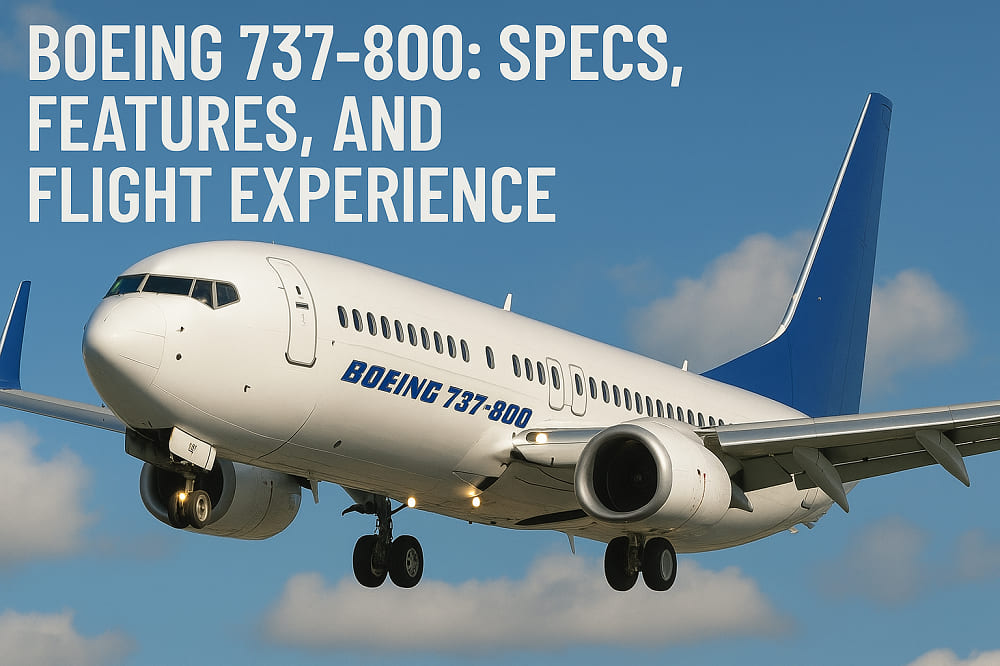
Discover the remarkable Boeing 737-800, one of the most successful commercial aircraft ever built. This comprehensive guide explores its specifications, development history, and the features that have made it a preferred choice for airlines worldwide.
The Boeing 737-800 stands as a cornerstone of the renowned Boeing 737 family, representing a significant advancement in commercial aviation. This narrow-body aircraft, designed for short to medium-range flights, evolved from its predecessor, the 737-700, to meet growing market demands.
As part of the Next Generation (NG) series, the 737-800 exemplifies the perfect balance between operational efficiency and passenger capacity. Its versatility allows airlines to maximize revenue potential while maintaining the reliability that has become synonymous with the 737 family name.
History and Development of the Boeing 737-800
The early 1990s marked the beginning of the 737-800’s development as Boeing sought to enhance its successful 737 Classic series. Launched in September 1994, the aircraft incorporated cutting-edge technology while maintaining compatibility with existing 737 models, ensuring cost-effective pilot training for airlines.
First rollout – June 1997
Maiden flight – July 31, 1997
Commercial service entry – April 1998 with Hapag-Lloyd Flug (now TUIfly)
The Boeing 737-800’s technical prowess combines efficiency with outstanding performance capabilities, making it a versatile choice for diverse route networks.
The Boeing 737-800 represents a masterpiece of commercial aviation engineering, combining advanced technology with proven design elements. This Next-Generation (NG) aircraft delivers exceptional performance through its carefully crafted features that enhance efficiency, reliability, and passenger comfort.
Wingspan – 34.32 meters with advanced winglets for reduced drag
Length – 39.50 meters optimized for operational efficiency
Cruise speed – Mach 0.79 (460 knots)
Service ceiling – 41,000 feet
Range – Up to 2,000 nautical miles
Engine type – Two CFM56-7B turbofan engines producing 117 kN thrust each
Cockpit and Avionics
The 737-800’s cockpit exemplifies modern aviation technology with its two-pilot configuration, marking a significant advancement from the three-crew setup of its predecessor, the Boeing 727.
Six large LCD displays for critical flight information
Integrated Flight Management System (FMS)
Advanced autopilot capabilities
Weather radar system
Traffic Collision Avoidance System (TCAS)
Common type rating with other 737 NG variants
Passenger Comfort and Amenities
The Boeing 737-800’s cabin design prioritizes passenger comfort through innovative features and modern amenities. The signature Boeing Sky Interior creates an enhanced travel environment with:
Sculpted sidewalls for increased spaciousness
Larger window reveals for better views
Customizable LED lighting system
Enhanced overhead bin capacity
Optional in-flight entertainment systems
Available Wi-Fi connectivity
AC power outlets at seats (airline-dependent)
Safety Features and Innovations
Safety stands as a cornerstone of the 737-800’s design, incorporating multiple advanced systems and redundancies:
Enhanced Ground Proximity Warning System (EGPWS)
Traffic Alert and Collision Avoidance System (TCAS)
Damage-tolerant structural design
Redundant hydraulic systems
Backup electrical systems
Continuous safety improvements based on operational feedback
Flight Experience on the Boeing 737-800
The Boeing 737-800 delivers a consistent and reliable flight experience, balancing efficiency with comfort on short to medium-haul routes. Its widespread adoption has made it a familiar sight at airports worldwide, offering passengers a sense of confidence through its proven track record.
Airlines Operating the Boeing 737-800
Region
Major Operators
North America
American Airlines, United Airlines, Delta Air Lines, Southwest Airlines
Europe
Ryanair, Norwegian Air Shuttle, Turkish Airlines
Asia-Pacific
China Southern Airlines, Qantas
Passenger Reviews and Feedback
Passenger experiences on the 737-800 vary based on airline configuration and service level. Common feedback includes:
Positive aspects:
Quiet cabin environment
Improved overhead storage
Reliable performance
Areas of concern:
Seat width in economy class
Limited seat pitch on some carriers
Compact lavatory size
Variable entertainment options
Comparing the Boeing 737-800 with Other Aircraft
The Boeing 737-800 maintains a competitive position within its aircraft class, particularly when measured against its primary rival, the Airbus A320. While passenger opinions often favor the A320 for perceived comfort advantages, the comparison reveals interesting distinctions in both aircraft’s characteristics.
Aspect
Boeing 737-800
Airbus A320
Passenger Comfort
Traditional design, variable comfort based on airline configuration
Comparable efficiency, modern flight characteristics
Route Flexibility
Excellent balance of capacity and range
Similar capabilities, good network versatility
While newer aircraft models like the 737 MAX and A320neo offer enhanced fuel efficiency and extended range capabilities, the 737-800 maintains its position as a dependable workhorse in many airline fleets. It’s worth noting that the actual passenger experience often depends more on individual airline configurations and maintenance standards rather than inherent aircraft design differences. This factor significantly influences comfort levels and overall flight satisfaction across both aircraft types.