Airbus
Airbus A320: Specifications, Features, and Seat Maps
Published on
Feb 25, 2025

Airbus
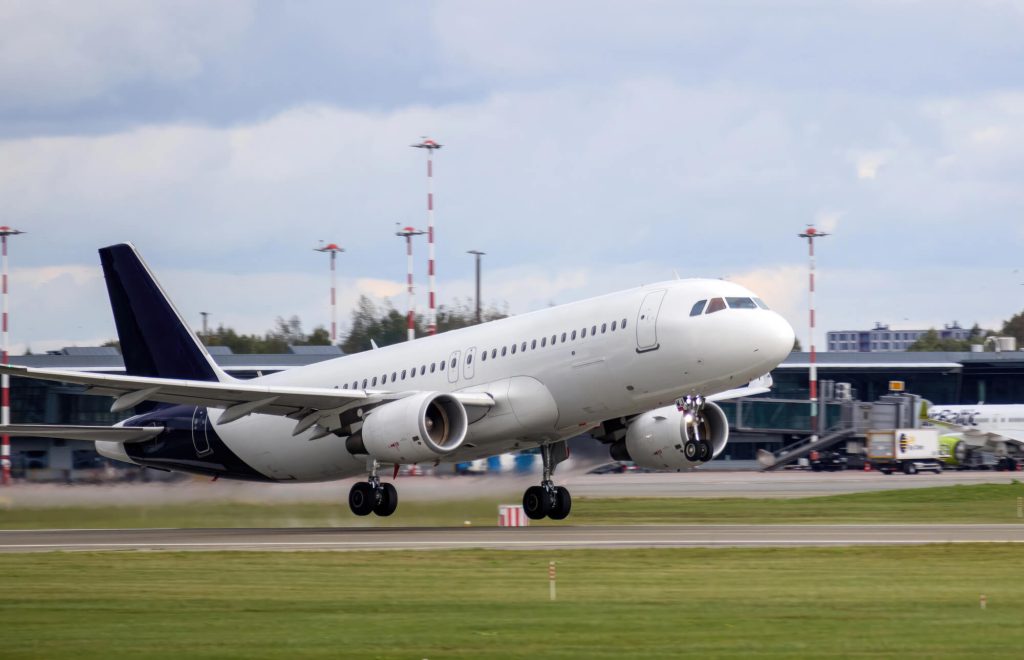
The Airbus A320 is a single-aisle, twin-engine airliner that typically seats 150 passengers in two classes and up to 180 in a single class for the A320ceo (the A320neo is certified up to 194), with a range of approx. 3,300 nautical miles (6,100 km). In service since April 1988, it was the first airliner with digital fly-by-wire controls, and the A320 family built around it has become the best-selling airliner line by orders.
The Airbus A320 represents a benchmark of efficiency and versatility in commercial aviation. This twin-engine jet, designed for short to medium-haul flights, has become a cornerstone of many airline fleets worldwide. With its distinctive low-wing configuration and sleek profile, the A320 has set new standards in the commercial aviation industry. The A320 is also the basis of a family that shares one cockpit and type rating, from the A318 and the shortened Airbus A319 to the stretched A321.
CFM56-5A/B/C Engine Stand for Airbus A320
Discover the reliable CFM56-5A/B/C by National Aero Stands, designed for secure transportation and storage of engines.
The aircraft features a conventional tail and is powered by two wing pylon-mounted turbofan engines, providing an optimal balance of power and fuel efficiency. Its advanced engineering includes:
The journey of the Airbus A320 began in the mid-1980s, marking the dawn of a new era in commercial aviation. The program was officially launched in 1984, with the ambitious goal of creating a single-aisle aircraft that could compete with Boeing’s popular 737.
| Milestone | Date | Achievement |
|---|---|---|
| First Flight | February 22, 1987 | Introduction of fly-by-wire technology |
| Commercial Debut | April 18, 1988 | Air France fleet introduction |
| Neo Program Launch | December 2010 | New engine option with LEAP-1A / PW1100G and Sharklets |
| Neo Service Entry | January 2016 | First A320neo delivered to Lufthansa |
The A320’s evolution has been marked by significant technological breakthroughs:
The A320 has an external fuselage width of 3.95 meters (156 inches) and a cabin width of 3.70 meters, wider than the competing Boeing 737. The airframe uses composite and lightweight materials in secondary structures to keep weight down.
| Dimension | Measurement |
|---|---|
| Length | 37.57 meters (123 feet 3 inches) |
| Wingspan | 35.80 meters (117 feet 5 inches) with Sharklets; 34.10 meters with wingtip fences |
| Height | 11.76 meters (38 feet 7 inches) |
| Passenger Capacity | 150 (typical two-class); up to 180 single-class for the A320ceo (A320neo certified up to 194) |
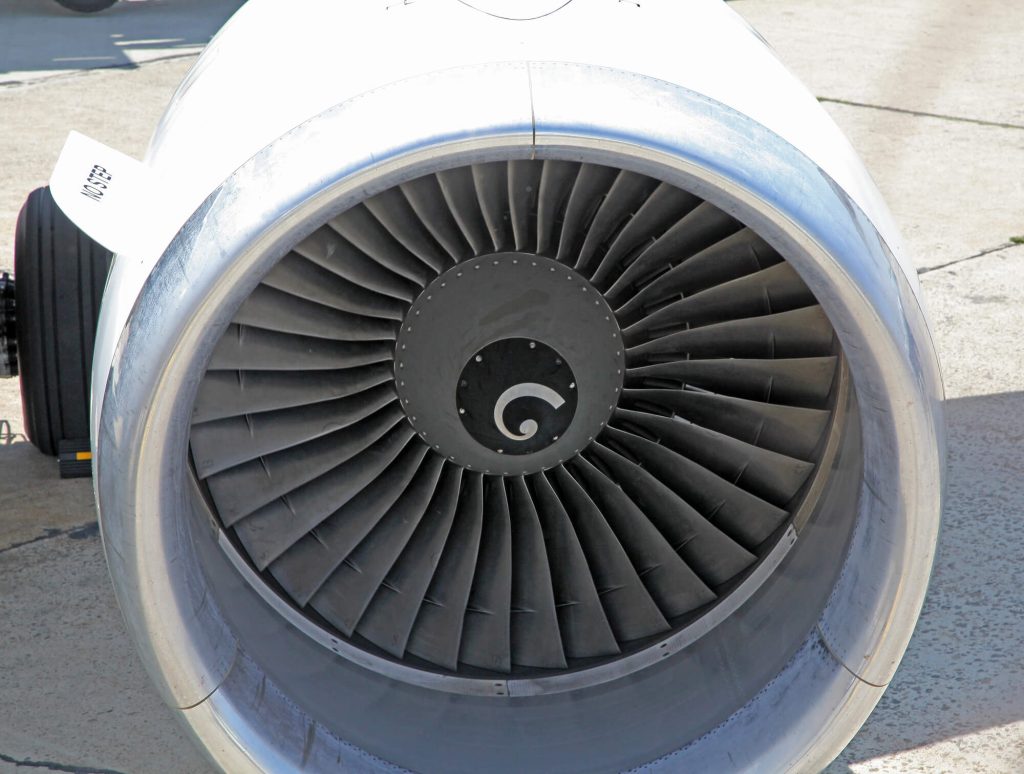
Unlike the Boeing 737, the A320 has always been offered with a choice of engines. The earliest airframes flew with the CFM56-5A (approx. 111 kN of thrust); the two options that came to dominate the ceo fleet are the CFM56-5B and the IAE V2500-A5. Each engine type also needs its own ground fixture: a CFM56-5B engine stand will not hold a V2500, so MRO planners maintain two separate tooling pools.
The re-engined A320neo swapped both for a new pair of choices – the CFM LEAP-1A or the Pratt & Whitney PW1100G geared turbofan – cutting fuel burn per seat by approx. 15-20%.
The A320’s innovative features combine efficiency with advanced technology, including its fly-by-wire control system and advanced material construction. These elements contribute to enhanced safety, improved operational efficiency, and reduced environmental impact through better fuel efficiency and lower emissions.
The A320 offers a relatively wide single-aisle cabin for its category. On newer and retrofitted aircraft, the Airspace cabin package can add:
CFM56-5A/B/C Engine Stand for Airbus A320
Discover the reliable CFM56-5A/B/C by National Aero Stands, designed for secure transportation and storage of engines.
The A320’s commitment to safety is evident in its wide set of advanced features:
The A320’s versatile cabin design enables airlines to customize seating arrangements according to their specific needs. The aircraft supports configurations ranging from 140 to 180 passengers while maintaining optimal comfort levels. This flexibility allows carriers to balance revenue potential with passenger experience, adapting layouts for different routes and market segments.
| Class Configuration | Layout | Typical Capacity |
|---|---|---|
| Economy Class | 3-3 configuration | Up to 180 seats |
| Business Class | 2-2 (US domestic first) or 3-3 with blocked middle seat | 12-16 seats |
| Mixed Class | Combined layouts | 140-170 seats |
Airlines customize their A320 configurations based on their business models and market demands:
A typical two-class A320 seats 150 passengers (12 business, 138 economy). Low-cost single-class layouts reach the A320ceo’s usual maximum of 180 seats, and A320neo cabins with slimline galleys and reworked exits go up to 186 in practice – easyJet’s neos are a common example – against a certified maximum of 194. Charter and premium operators fit anywhere from 140 to 180.
Most A320ceos fly with either the CFM56-5B or the IAE V2500-A5; the earliest airframes used the CFM56-5A. The re-engined A320neo offers the CFM LEAP-1A or the Pratt & Whitney PW1100G geared turbofan, which cut fuel burn per seat by approx. 15-20% compared with the ceo generation.
The neo (new engine option) pairs the same fuselage and cabin cross-section with LEAP-1A or PW1100G engines, Sharklet wingtips as standard, and approx. 15-20% lower fuel burn per seat. It entered service with Lufthansa in January 2016. The ceo (current engine option) label covers all earlier CFM56 and V2500-powered A320s.
The A320 is 37.57 m (123 ft 3 in) long, with a wingspan of 35.80 m (117 ft 5 in) with Sharklets and a tail height of 11.76 m (38 ft 7 in). That places it between its family siblings: the 33.84 m A319 and the 44.51 m A321.
No – searches for “Boeing A320” mix up the two big manufacturers. The A320 is built by Airbus; its direct Boeing rival is the 737-800 and today’s 737 MAX 8. The two are close in size and seating, though the A320’s fuselage is approx. 19 cm wider, allowing slightly wider economy seats.
Seat maps are airline-specific, so check the operating carrier’s website or booking flow, where current cabin layouts appear seat by seat. Every A320 uses a 3-3 economy arrangement with a single aisle, but seat count (typically 140-186), pitch, and the size of any business section vary between airlines and even between subfleets.
Other articles about Airbus aircraft: