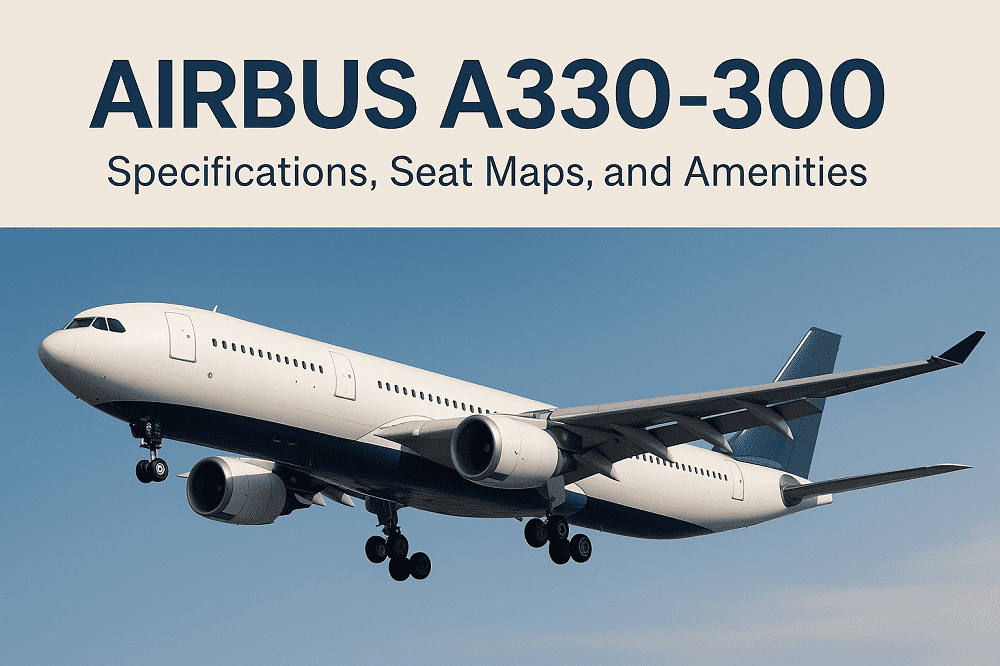
Airbus A330-300: Specifications, Seat Maps, and Amenities

Discover the remarkable capabilities of the Airbus A330-300, a wide-body aircraft that has revolutionized medium to long-haul aviation. Whether you’re an aviation enthusiast or planning your next journey, understanding this aircraft’s features and specifications will help you appreciate its significant role in modern air travel.

Aircraft engine stands lease

Overview of the Airbus A330-300

The Airbus A330-300 stands as a testament to modern aviation engineering, offering an impressive combination of capacity and range. This twin-engine jet accommodates up to 277 passengers in a typical three-class configuration while covering distances of up to 11,750 km (6,340 nmi). Its versatility and efficiency have made it a preferred choice for airlines worldwide, serving both busy short-haul corridors and long-distance intercontinental routes.

Engine Stand Trent 700 For Lease

History and Development of the Airbus A330-300

The A330-300’s journey began in the mid-1970s as part of Airbus’s strategic expansion plan. The program’s official launch in June 1987, alongside the A340, marked a significant milestone in aviation history. Through continuous improvements and technological advancements, the aircraft has maintained its competitive edge in the ever-evolving aviation market.

Key Features of the Airbus A330-300

  • Low-wing cantilever monoplane design for optimal aerodynamic efficiency
  • Two-wheel nose undercarriage and four-wheel bogie main legs for enhanced stability
  • Six-screen glass cockpit compatible with other Airbus models
  • Increased maximum takeoff weight from 212 to 242 tonnes
  • Advanced payload-range performance capabilities

Engine Stand Trent 500/700 APS For Lease

Specifications of the Airbus A330-300

DimensionMeasurement
Length63.69 meters
Wingspan60.30 meters
Height16.99 meters
Cruising Speed875 km/h
Maximum Altitude12,600 meters

Technical Specifications

The A330-300 features a fuselage diameter of 5.64 meters and is powered by two high-bypass turbofan engines, available in three variants: General Electric CF6, Pratt & Whitney PW4000, or Rolls-Royce Trent 700 series. Each engine can produce up to 72,000 pounds of thrust, ensuring reliable performance during long-haul operations.

Performance Metrics

  • Maximum range – 11,750 km (6,350 nautical miles)
  • Maximum operating Mach number – 0.86
  • Passenger capacity – up to 300 (two-class configuration)
  • High-density layout capacity – up to 440 passengers
  • Maximum takeoff weight – 242 tonnes

Airbus A330-300 Seat Map and Cabin Layout

The A330-300 offers a spacious and adaptable cabin design that can be customized to meet various airline requirements. Airlines provide interactive seat maps to help passengers make informed seating choices, enhancing the overall travel experience. The cabin’s versatility allows for multiple configuration options, ensuring optimal comfort and efficiency across different route types.

Engine Stand CF6-80E1 For Lease

Seating Capacity and Configuration

The Airbus A330-300 features a versatile seating arrangement that accommodates up to 293 passengers in a typical three-class configuration. Delta Airlines exemplifies this flexibility with their configuration:

  • 34 flat-bed Delta One seats
  • 40 Delta Comfort+ seats
  • 219 Economy seats

The cabin layout follows strategic configurations to maximize both comfort and efficiency:

Cabin ClassConfigurationFeatures
Economy2-4-2Maximum one seat from aisle access
Business Class1-2-1Direct aisle access for all passengers
First Class2-2-2Enhanced privacy and comfort

Class Configurations and Comfort

The A330-300’s cabin design prioritizes passenger comfort across all service classes. Using Delta Airlines’ configuration as a benchmark:

  • Delta One (Premium Class) – features flat-bed seats with 80-inch pitch and 21-inch width
  • Delta Comfort+ – offers enhanced Economy experience with extra legroom and premium amenities
  • Economy Class – provides comfortable seating with competitive pitch and width specifications
  • Premium Economy – available on select airlines, bridging Business and Economy with wider seats and increased legroom

Amenities and In-Flight Experience on the Airbus A330-300

The A330-300 delivers a comprehensive travel experience through its state-of-the-art amenities and spacious cabin design. The wide fuselage accommodates generous overhead bin space and comfortable seating arrangements, while airlines can customize interior configurations to match their service standards and route requirements.

Engine Stand PW4000-100 For Lease

In-Flight Entertainment Options

The aircraft’s entertainment system offers extensive content through its Audio and Video On-Demand (AVOD) platform, including:

  • Over 4,100 MP3 tracks
  • Multiple radio station options
  • Diverse selection of movies and TV shows
  • Interactive games
  • High-definition touchscreen displays at each seat

Additional Comfort Features

The A330-300 enhances passenger comfort with modern amenities including:

  • AC power outlets for device charging
  • In-flight Wi-Fi connectivity
  • Adjustable headrests
  • Personal reading lights
  • USB charging ports (on select aircraft)
  • Customizable seat positions

Read more:

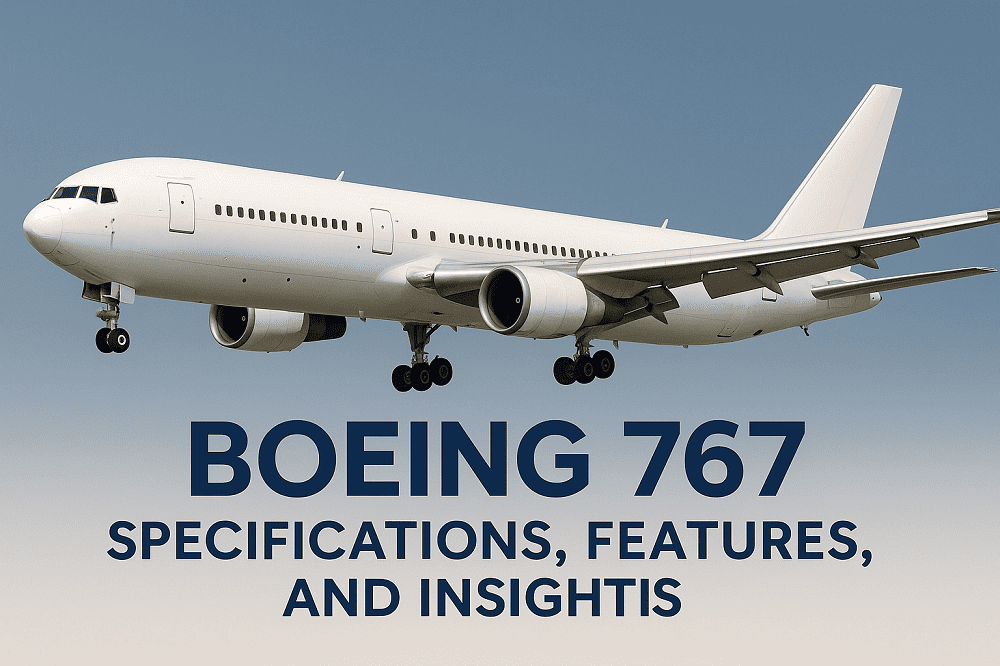
Boeing 767: Specifications, Features, and Insights

The Boeing 767 represents a remarkable milestone in aviation history, combining innovative design with exceptional performance capabilities. This comprehensive guide explores how this pioneering aircraft has shaped modern commercial aviation and continues to influence the industry today.

Overview of the Boeing 767

The Boeing 767, introduced in 1982, revolutionized commercial aviation as a mid-size, wide-body twinjet airliner. This versatile aircraft offers:

  • Passenger capacity ranging from 181 to 375
  • Impressive range of 5,200 to 6,590 nautical miles
  • Adaptability for both long-haul international and domestic routes
  • Multiple variants to suit diverse airline needs

Aircraft engine stand for rent

History and Development of the Boeing 767

The late 1970s marked the inception of the Boeing 767 program, driven by the need for a fuel-efficient, medium-capacity airliner. The development journey included several groundbreaking achievements:

  • First wide-body twinjet in Boeing’s fleet
  • Revolutionary two-crew digital flight deck
  • Introduction of extended range variants (767-200ER and 767-300ER)
  • Launch of the 767-300F freighter version in 1995

Significance in the Aviation Industry

The Boeing 767’s impact on aviation has been profound, particularly in revolutionizing medium to long-haul travel. Key contributions include:

  • Pioneering twin-engine operations on transatlantic routes
  • Development of ETOPS standards
  • Introduction of seven-abreast cross-section design
  • Integration of LD2 unit load device cargo containers
  • Enhanced operational flexibility for airlines

Engine Stand CF6-80E1 For Lease

Specifications of the Boeing 767

The aircraft’s specifications demonstrate its exceptional versatility and performance capabilities. The 767-300F freighter variant showcases the following dimensions:

SpecificationMeasurement
Length54.94 meters (180 feet 3 inches)
Wingspan47.57 meters (156 feet 1 inch)
Height15.85 meters (52 feet)
Payload Capacity52,480 kg (115,700 lbs)

Engine and Performance Details

The Boeing 767’s performance excellence stems from its advanced engine options and aerodynamic design:

  • Initial engine options: Pratt & Whitney JT9D-7R4D and General Electric CF6 turbofans
  • Later upgrade to PW4000 series engines
  • Innovative aft-loaded wing shape for reduced drag
  • Enhanced lift distribution across wing surface
  • Optimized fuel efficiency and handling characteristics

Engine Stand PW4000/JT9D For Lease

Features of the Boeing 767

The aircraft combines cutting-edge technology with practical design elements, featuring:

  • Versatile passenger capacity configurations
  • Extended range capabilities for intercontinental routes
  • Advanced aerodynamic wing structure
  • Higher-altitude cruise performance
  • Increased fuel capacity options

Innovative Design and Technology

The Boeing 767 revolutionized aviation technology with its groundbreaking two-crew digital glass cockpit, marking a significant advancement in flight deck design. The digital avionics suite features:

  • Advanced flight management systems
  • Enhanced situational awareness instruments
  • Reduced pilot workload capabilities
  • Integrated digital displays

The aircraft’s wing design exemplifies Boeing’s innovative engineering approach through:

  • Even lift distribution across wing surface span
  • Superior high-altitude cruise performance
  • Increased fuel capacity integration
  • Low-drag airframe design
  • Enhanced aerodynamic efficiency

Engine Stand RB211-535 For Lease

Passenger Comfort and Amenities

The Boeing 767’s wide-body design delivers exceptional passenger comfort, particularly in modern variants like the 767-400ER. The Delta One Suites showcase premium features including mood lighting and cubicle-style designs, perfect for long-haul journeys of 10-11 hours.

  • Advanced in-flight entertainment systems with AVOD capabilities
  • Personal televisions with extensive media selection
  • AC power outlets for passenger convenience
  • High-speed internet connectivity
  • Spacious overhead bins for increased carry-on capacity

Variants and Models of the Boeing 767

Since its 1982 debut, the Boeing 767 family has evolved to meet diverse aviation industry needs. The platform’s adaptability is demonstrated through its flexible passenger capacity of 181-375 seats and impressive range capabilities of 5,200-6,590 nautical miles, enabling efficient service across medium and long-haul routes.

Different Variants and Their Uses

VariantIntroduction YearPrimary Use
767-2001982Original passenger variant
767-200ER1984Extended range operations
767-3001986Increased capacity variant
767-300ER1988Extended range with higher capacity
767-300F1995Dedicated freighter
767-400ER2000Maximum capacity, long-range operations

Comparison with Other Boeing Models

The 767 occupies a strategic position in Boeing’s product lineup, bridging the gap between narrow-body 737s and larger wide-body aircraft like the 777 and 787 Dreamliner. Its unique advantages include:

  • Superior fuel efficiency compared to four-engine aircraft
  • Optimal capacity for ‘long, thin routes’
  • Continuous technological updates and modernization
  • Versatility in passenger and freight operations
  • Proven reliability in various aviation sectors

Insights into the Boeing 767’s Impact

The Boeing 767 has transformed aviation economics and operations through its innovative seven-abreast cross-section design and LD2 unit load device compatibility. Its impact extends across multiple operational aspects, offering flexible payload configurations and sustained market relevance through decades of service.

Economic and Environmental Impact

The Boeing 767’s twin-engine design and advanced aerodynamics have revolutionized aviation economics through significant operational efficiencies. The aircraft’s impact on airline operations includes:

  • Enhanced fuel efficiency compared to previous wide-body aircraft
  • Reduced operational costs for airlines
  • Improved route profitability on previously challenging sectors
  • Versatile deployment capabilities across short and long-haul routes
  • Flexible fleet planning opportunities

From an environmental perspective, the 767 demonstrates significant ecological advantages:

  • Lower CO2 emissions per passenger mile
  • Extended service life reducing manufacturing resource demands
  • Compatibility with eco-friendly technology upgrades
  • Continuous environmental performance improvements
  • Reduced carbon footprint through fuel efficiency

Future Prospects and Developments

The Boeing 767 maintains strong market relevance, particularly in the cargo sector. The 767-300F freighter variant’s continued success is driven by:

  • Growing e-commerce demand
  • Efficient medium-capacity freight capabilities
  • Increased production rates by Boeing
  • Strong market demand projections
  • Proven reliability in cargo operations

Technological advancement continues to shape the 767’s evolution through:

  • Ongoing avionics upgrades
  • Material technology improvements
  • Enhanced engine performance capabilities
  • Specialized variant development
  • Military and special mission adaptations

Read more:

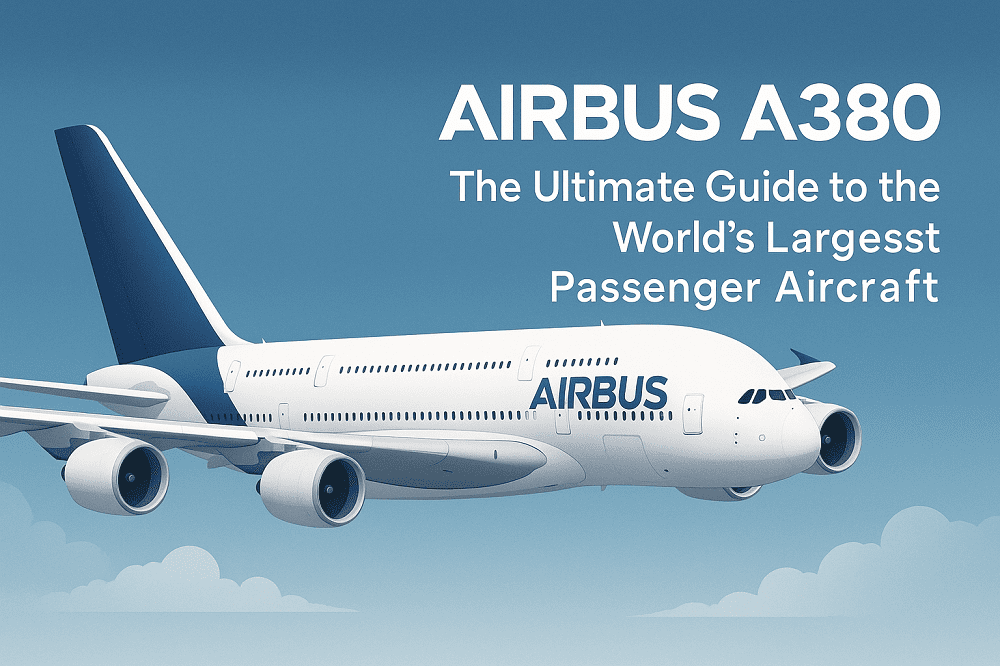
Airbus A380: The Ultimate Guide to the World’s Largest Passenger Aircraft
Step aboard the magnificent Airbus A380, an engineering masterpiece that has redefined the boundaries of commercial aviation. This comprehensive guide explores every aspect of the world’s largest passenger aircraft, from its groundbreaking design to its operational impact on modern air travel.

The Airbus A380 stands as a testament to human innovation in aviation, claiming its throne as the world’s largest passenger aircraft. This double-decker giant has transformed air travel since its debut, delivering an unmatched flying experience that distinguishes it from conventional airliners.

Engineered to address growing air travel demands and airport congestion, the A380 seamlessly integrates cutting-edge technology with superior passenger comfort. Its impressive scale and innovative design have established it as an aviation industry icon, captivating both travelers and aviation enthusiasts.

Aircraft engine stand for lease

Overview of the Airbus A380

The A380’s engineering excellence is evident in its distinctive features. The full-length upper deck spans the entire fuselage, offering:

  • 50% more floor space than competitors
  • 60% increased headroom compared to Boeing 747-400
  • Advanced carbon-fiber reinforced plastic construction (25% of structure)
  • Reduced community noise levels
  • Lower emissions per passenger

Key Specifications of the Airbus A380

SpecificationDetail
Length72.7 meters
Wingspan79.8 meters
Passenger CapacityUp to 471 (typical configuration)
Cruising Speed0.85 Mach
Engine TypeFour Rolls-Royce Trent 900

The History and Development of the Airbus A380

The ‘superjumbo’ emerged as Airbus’s ambitious response to Boeing’s 747, marking a significant milestone in aviation history. This engineering marvel has revolutionized air travel, demonstrating Airbus’s dedication to innovation and pushing aircraft design boundaries.

The Journey from Concept to Reality

The A380’s development journey included several crucial milestones:

  • Early 1990s – Initial concept development as A3XX
  • December 2000 – Official project launch
  • 2004 – First major assembly begins
  • April 27, 2005 – Maiden flight in Toulouse, France
  • October 2007 – Commercial service launch with Singapore Airlines

Challenges Faced During Production

The A380 program encountered significant obstacles, including:

  • Complex wiring system installation (over 530 km of wires)
  • Production delays and setbacks
  • Development costs exceeding €25 billion
  • Limited sales due to high operating costs
  • Production cessation in December 2021

Airlines Operating the Airbus A380

The A380 continues to serve as a flagship aircraft for several prestigious carriers, with Emirates leading as the largest operator. These airlines leverage the aircraft’s unique capabilities to deliver exceptional long-haul services and premium travel experiences.

Engine Stand Trent 800 For Lease

Major Airlines and Their A380 Fleets

AirlineNotable Features
EmiratesLargest fleet, onboard showers, lounge bar
Singapore AirlinesLaunch customer, Suites Class
QantasRecently refurbished fleet, London-Sydney route
British AirwaysPremium service focus

Technical Aspects of the Airbus A380

The Airbus A380, the world’s largest passenger aircraft, represents a pinnacle of aviation engineering excellence. This remarkable aircraft features impressive technical specifications that distinguish it in the aviation industry.

Technical SpecificationMeasurement
Length72.7 meters
Wingspan79.8 meters
Cruising Speed0.85 Mach
Passenger Capacity471 (typical three-class configuration)

Engine Options and Performance

The A380’s powerplant options showcase the pinnacle of aviation propulsion technology:

  • Rolls-Royce Trent 900 – delivers up to 374 kN (84,000 lbf) of thrust with enhanced fuel efficiency and reduced noise levels
  • Engine Alliance GP7200 – provides 311-363 kN (70,000-81,500 lbf) of thrust, developed through a collaboration between General Electric and Pratt & Whitney

The A380’s performance capabilities include:

  • Take-off distance within 3,000 meters on standard runways
  • Maximum range of 14,800 km (8,000 nmi)
  • Advanced aerodynamic design for optimal fuel efficiency
  • Exceptional long-haul capabilities for global route operations
  • Competitive cruising speed comparable to smaller aircraft

Engine Stand Trent 500/700 APS For Lease

Passenger Comfort and Experience

The A380 revolutionizes passenger comfort through its innovative design features and spacious cabin layout. The aircraft’s engineering prioritizes passenger well-being during long-haul flights, addressing common concerns such as fatigue and limited mobility.

Innovative Cabin Features

  • Advanced LED lighting system simulating natural light cycles
  • Enlarged overhead bins for improved storage capacity
  • Superior noise reduction technology for a quieter cabin environment
  • Premium amenities including onboard showers, private suites, and lounges (airline-dependent)
  • Enhanced air circulation and cabin pressurization systems
  • Wider seats and increased legroom across all classes

Environmental Impact and Sustainability

Despite its size, the A380 demonstrates significant achievements in environmental sustainability through advanced technologies and design features. Airbus’s commitment to ecological responsibility is evident in the continuous improvements made to enhance the aircraft’s environmental performance.

Fuel Efficiency and Emissions

The A380’s environmental profile includes several key features:

  • Optimized fuel efficiency when operating at full capacity
  • Advanced engine technology reducing CO2 emissions
  • Compatibility with Sustainable Aviation Fuels (SAF)
  • Reduced emissions per passenger on high-density routes
  • Ongoing research into green technologies and hydrogen propulsion

The Future of the Airbus A380

While production ceased in 2021, the A380 maintains a significant presence in major airline fleets, particularly for high-demand routes. Airlines including Lufthansa, Etihad, British Airways, Qatar Airways, and Qantas continue to operate these aircraft, demonstrating their ongoing value in specific market segments despite the industry’s shift toward smaller, more fuel-efficient aircraft.

End of Production and Market Trends

The A380’s production conclusion stemmed from multiple market factors that challenged its commercial viability. The industry landscape shifted significantly, affecting the aircraft’s market position in several ways:

  • Growing preference for point-to-point travel over hub-and-spoke models
  • Increased demand for fuel-efficient aircraft options
  • Limited market for high-density, long-haul routes
  • Changing airline operational strategies
  • Evolution of passenger travel patterns

Despite ending production, Airbus maintains robust support for the existing A380 fleet. This commitment mirrors their successful approach with the A300 program, ensuring operators can maximize their A380 investments through comprehensive service packages and technical support.

Potential Variants and Innovations

The A380’s technological legacy continues to influence modern aviation development through various innovations:

  • Advanced materials integration in newer aircraft models
  • Aerodynamic improvements applied to A350 and A330neo
  • Enhanced cabin design concepts
  • Pioneering engineering solutions
  • Sustainable aviation technologies

Airbus is now focusing on future aviation technologies, including:

  • Sustainable aviation fuel development
  • Electric propulsion systems
  • Hydrogen-powered aircraft research
  • Advanced cabin interior concepts
  • Environmental efficiency improvements

While direct A380 variants are unlikely, its innovative spirit lives on in Airbus’s commitment to developing more sustainable and efficient aircraft. The spacious design philosophy continues to influence modern cabin layouts, contributing to enhanced passenger experiences in future aircraft generations.

Read more:

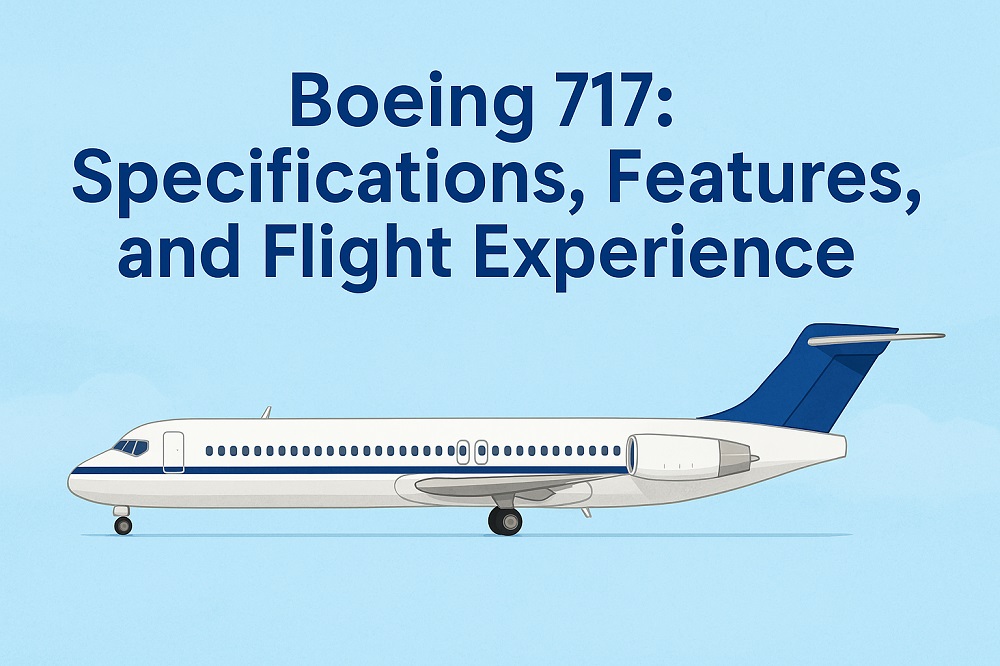
Boeing 717: Specifications, Features, and Flight Experience

Discover the remarkable Boeing 717, a twin-engine aircraft that revolutionized regional aviation with its exceptional efficiency and innovative design. Let’s explore how this aircraft combines advanced technology with practical features to deliver outstanding performance on short-haul routes.

Overview of the Boeing 717

The Boeing 717 represents a pinnacle of engineering in the regional aviation sector. This twin-engine, single-aisle jet airliner has established itself as a reliable workhorse for short-haul flights. Originally conceived as the MD-95 by McDonnell Douglas, this aircraft became an integral part of Boeing’s fleet following the historic merger of these aerospace giants.

  • Passenger capacity – up to 117 passengers
  • Flight range – 2,060 nautical miles (3,820 kilometers)
  • Engine type – two Rolls-Royce BR715 turbofan engines
  • Design – narrow-body with two columns of seats

History and Development of the Boeing 717

The Boeing 717’s story began in the mid-1990s as the MD-95, marking a significant milestone as McDonnell Douglas’s final commercial aircraft before merging with Boeing in 1996. The development timeline includes several crucial moments:

  • 1995 – Initial launch with ValuJet as the launch customer
  • 1996 – Boeing-McDonnell Douglas merger and rebranding to Boeing 717
  • 1998 – First flight of the Boeing 717
  • Early adopters – TWA and Impulse Airlines among the first operators

Design and Engineering of the Boeing 717

The Boeing 717’s engineering excellence focuses on maximizing performance in the short-haul market. The aircraft features:

  • Advanced aerodynamic design for enhanced fuel efficiency
  • Customizable fuel capacity with optional auxiliary tanks
  • Optimized nose design for specific flight ranges
  • Modern avionics and comprehensive safety systems
  • Spacious cabin layout for passenger comfort

Specifications and Features of the Boeing 717

DimensionMeasurement
Length118 ft 11 in (36.58 meters)
Wingspan93 ft 4 in (28.46 meters)
Height29 ft 1 in (8.86 meters)
Engine Thrust18,500 to 21,000 lbs

Technical Specifications of the Boeing 717

The Boeing 717-200 demonstrates impressive capabilities with:

  • Maximum passenger capacity – 134 seats
  • Maximum speed – Mach 0.82
  • Service ceiling – 37,000 feet
  • Range – 2,060 nautical miles (3,820 kilometers)
  • Advanced flight management system

Key Features of the Boeing 717

The aircraft’s standout features include:

  • Modern wing design for reduced fuel consumption
  • State-of-the-art avionics with auto-land capability
  • Traffic Collision Avoidance System (TCAS)
  • Enhanced Ground Proximity Warning System (EGPWS)
  • Quick turnaround capabilities
  • Spacious cabin with generous headroom

Performance and Capabilities of the Boeing 717

The Boeing 717 excels in operational efficiency with its Category IIIb ILS landing capability and advanced aerodynamics. The combination of modern technology and practical design elements creates an aircraft that delivers exceptional performance while maintaining cost-effectiveness for airlines operating short to medium-haul routes.

Engine Performance and Efficiency

The Boeing 717’s powerhouse consists of two Rolls-Royce BR715 turbofan engines, delivering impressive thrust ranging from 18,500 to 21,000 lbs. These advanced powerplants excel in both performance and environmental consciousness, offering superior fuel efficiency and reduced emissions – critical factors in modern aviation.

  • Competitive cruise speeds while maintaining fuel economy
  • Optimal performance for short to medium-haul routes
  • Enhanced reliability reducing maintenance downtime
  • Lower environmental impact through efficient fuel consumption
  • Balanced power delivery for various operational scenarios

Seating Capacity and Interior Layout

ConfigurationPassenger CapacityLayout Details
Two-class1068 business (36″ pitch), 98 economy (32″ pitch)
Single-class117All economy (32″ pitch)
Three-class11012 first, 15 economy comfort, 83 economy

Flight Experience on the Boeing 717

The Boeing 717 delivers a distinctive flight experience that balances efficiency with passenger comfort. Its compact design facilitates quick boarding and deplaning processes, though this same characteristic can sometimes result in a more intimate cabin environment, particularly during full flights. The aircraft’s size makes it ideal for short-haul routes while maintaining reliable transportation standards.

Passenger Comfort and Amenities

  • AC power ports and USB outlets at every seat
  • Onboard Wi-Fi availability (varies by airline)
  • Complimentary snacks and beverages on select routes
  • Variable legroom depending on seating configuration
  • Premium seating options near exits and wing-front locations

Cockpit and Pilot Experience

The Advanced Common Flightdeck (ACF) of the Boeing 717 represents a sophisticated pilot environment, featuring modern glass cockpit design shared with the MD-11. The integration of advanced avionics and digital displays enhances situational awareness and streamlines flight operations.

  • Precise control during takeoff and landing phases
  • Streamlined workflow through integrated systems
  • Enhanced situational awareness via digital displays
  • Reduced pilot workload through advanced automation
  • Positive feedback from flight crews on handling characteristics

Other articles about Boeing aircraft:

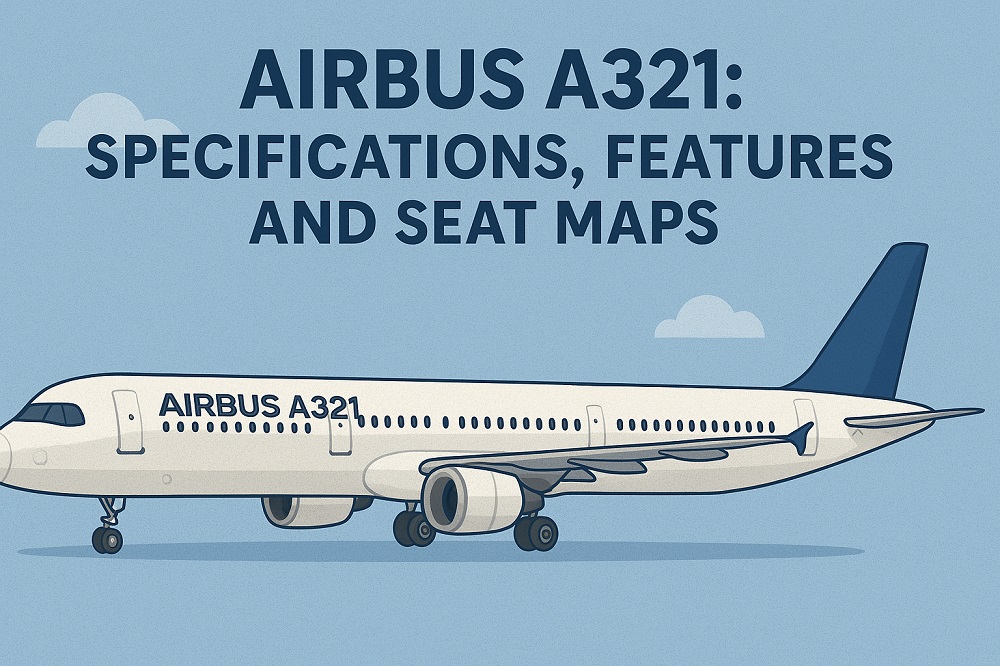
Airbus A321: Specifications, Features, and Seat Maps

Discover the remarkable evolution of commercial aviation through the Airbus A321, a game-changing narrow-body aircraft that has revolutionized short to medium-range flights. From its innovative design to cutting-edge technology, let’s explore what makes this aircraft a preferred choice for airlines worldwide.

Overview of Airbus A321

The Airbus A321, a distinguished member of the A320 family, represents a significant advancement in narrow-body jet airliners. This versatile aircraft accommodates 185-236 passengers, making it ideal for short to medium-range commercial flights. Since its maiden flight on March 11, 1993, and commercial debut with Lufthansa on January 27, 1994, the A321 has proven its worth through its shared type rating with other A320 variants, enabling seamless pilot transitions without additional training.

History and Development of Airbus A321

The A321’s journey began in the early 1990s as Airbus recognized the market demand for a larger A320 variant. The development timeline includes two significant phases:

  • A321ceo (Current Engine Option) – Manufactured from 1992 to 2021
  • A321neo (New Engine Option) – Introduced in 2012, first flight in February 2016
  • Financial milestone – First-ever bond market entry, raising $480 million
  • Additional funding – Secured from European Investment Bank and private investors

Airbus A321 Variants

The A321 family has evolved to meet diverse market needs through several key variants:

  • A321ceo – The original variant optimized for short to medium-haul routes
  • A321neo – Enhanced version with improved fuel efficiency and performance
  • A321LR (Long Range) – Capable of operating transatlantic flights
  • A321XLR (Extra Long Range) – Under development for extended range operations

Specifications of Airbus A321

The A321neo pushes the boundaries of narrow-body aircraft capabilities with impressive specifications:

FeatureSpecification
Maximum Seating244 passengers
Typical Two-Class Configuration180-220 passengers
Range3,500-4,000 nautical miles

Dimensions and Capacity

A typical American Airlines A321 configuration showcases the aircraft’s versatility:

  • Total capacity – 181 passengers
  • First Class – 16 recliner-style seats
  • Main Cabin – 165 Economy Class seats (3-3 configuration)
  • Seat width – 18 inches (standard)

Performance and Range

Performance MetricValue
Range (A321neo)3,995 nautical miles (7,399 km)
Maximum Take-off Weight97 tons (213,848 lb)
Maximum Operating MachM0.82
Fuel Capacity32,940 liters
Engine Thrust Range24,500-35,000 lbf (109-156 kN)

Engine Options

Airlines can choose between two advanced engine options:

  • CFM International LEAP 1A engine
  • Pratt & Whitney PurePower PW1100G-JM engine

Both options deliver superior fuel efficiency, reduced emissions, and lower operating costs, complemented by flexible fuel configurations allowing up to three auxiliary fuel tanks for optimized range and cargo capacity.

Features of Airbus A321

The Airbus A321 exemplifies modern aviation engineering excellence with its distinctive low-wing cantilever monoplane design and retractable tricycle landing gear. Two wing pylon-mounted turbofan engines power this aircraft, delivering exceptional performance and fuel efficiency.

  • Double-slotted flaps for enhanced maneuverability
  • Customizable LED lighting system (A321neo)
  • Redesigned sidewall panels for increased shoulder space
  • Industry-leading overhead bin capacity
  • Advanced wing design for improved aerodynamics

Interior Design and Comfort

The A321’s interior design sets new standards in passenger comfort within the single-aisle market. Its spacious single-aisle layout rivals wide-body jets, featuring generous legroom and competitive seat widths. The thoughtfully designed cabin creates an open, airy atmosphere that minimizes passenger confinement.

  • 24 Even More® Space seats in Long Range variant
  • Complimentary Pantry snack bar
  • Airspace cabin with XL luggage bins
  • Modern touchless lavatory features
  • Enhanced cabin air filtration system

Technology and Innovations

Building on the A320’s pioneering digital fly-by-wire control system, the A321 incorporates advanced avionics that enhance safety and simplify pilot operations. The commonality across the A320 family streamlines pilot training and operational efficiency.

  • Advanced digital fly-by-wire system
  • ‘Cabin-Flex’ layout for optimized space utilization
  • Enhanced boarding process with larger doors
  • State-of-the-art engine options for reduced emissions
  • Integrated avionics suite for improved pilot control

Airbus A321 Seat Maps and Configurations

The A321’s remarkable flexibility in seat configurations allows airlines to customize layouts according to their market requirements. With capacity ranging from 170 to 236 passengers and industry-leading 18-inch wide seats, the aircraft delivers superior comfort in the single-aisle market.

Typical Airline Configurations

ClassAmerican Airlines (321)A321neo ACF
First Class16 recliner seats20 recliner seats
Main Cabin Extra–47 seats
Economy165 seats129 seats
Total Capacity181 seats196 seats

Comparing Seat Maps Across Airlines

AirlineConfigurationTotal Seats
La CompagnieAll-business class76
British AirwaysHigh-density layout220
Starlux AirlinesMixed class188
JetBlueMixed class200

Read more:

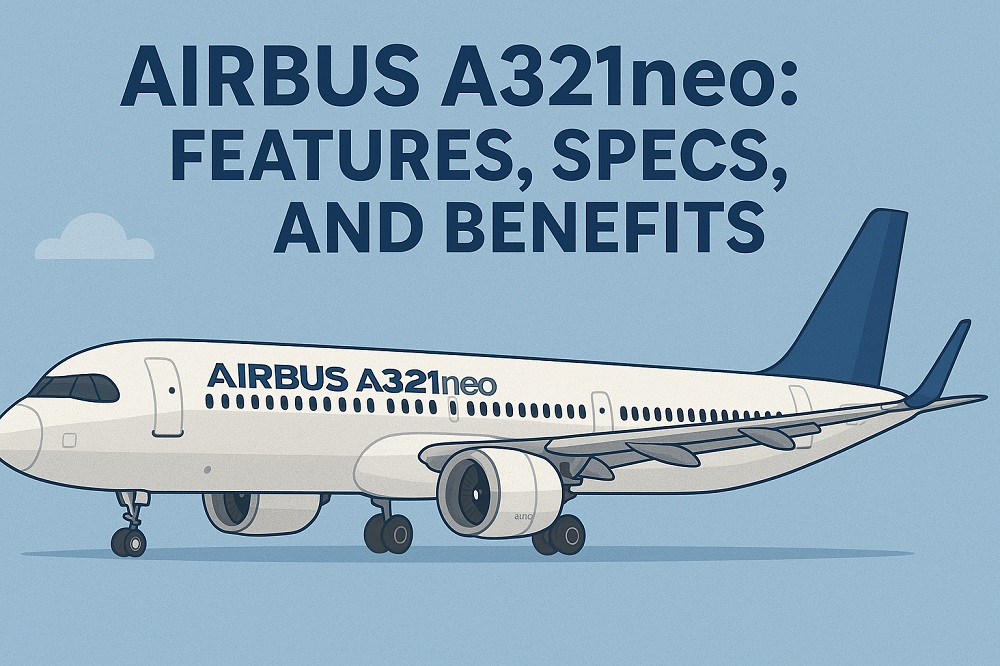
Airbus A321neo: Features, Specs, and Benefits

Discover the revolutionary Airbus A321neo, a masterpiece of modern aviation that’s reshaping the commercial aircraft industry. From its cutting-edge technology to exceptional efficiency, this detailed guide explores how this aircraft is setting new standards in single-aisle aviation.

Overview of the Airbus A321neo

The Airbus A321neo represents the pinnacle of modern aviation engineering, serving as the latest evolution in Airbus’s A320 family. As the longest-fuselage member of this renowned aircraft series, it combines cutting-edge technology with exceptional efficiency to meet contemporary aviation demands.

  • Passenger capacity: 180-220 (typical two-class configuration)
  • Maximum capacity: 244 passengers (high-density layout)
  • Route versatility: Ideal for both short-haul and medium-haul routes
  • Key innovation: New engine option (neo) for enhanced performance

Introduction to the Airbus A321neo

The A321neo emerges as a game-changer in commercial aviation, building upon its predecessors’ success while introducing revolutionary advancements. With an impressive range of up to 4,000 nautical miles, it enables airlines to operate longer routes previously served by wide-body aircraft, offering versatility for both low-cost carriers and full-service airlines.

Development and Launch

Launched on June 13, 2014, the A321neo introduced groundbreaking features including:

  • New ‘Cabin-Flex’ layout for enhanced passenger experience
  • Larger doors for improved boarding efficiency
  • Integration of new engine technologies
  • Aerodynamic improvements with sharklets

Key Features of the Airbus A321neo

The A321neo stands out with its innovative features that set new standards for single-aisle aircraft. The aircraft incorporates advanced LED lighting technology for customizable cabin ambiance and slimmer sidewall panels for increased shoulder space.

Advanced Engine Technology

Engine OptionsBenefits
Pratt & Whitney PW1100G-JM15-20% reduced fuel consumption
CFM International LEAP-1AEnhanced operational efficiency

Innovative Cabin Design

  • Largest overhead bins in single-aisle market
  • Redesigned window bezels for enhanced views
  • Integrated window shades
  • Full LED lighting with dynamic scenarios
  • Modern, streamlined aesthetic

Enhanced Aerodynamics

The A321neo features distinctive sharklets and refined aerodynamic elements that contribute to its exceptional performance. These improvements enable operations from various airports, including those with shorter runways or higher altitudes.

Specifications of the Airbus A321neo

Technical Specifications

  • Maximum take-off weight: 97 tonnes (213,848 lb)
  • Maximum zero fuel weight: 75.60 tonnes
  • Fuel capacity: 32,940 liters
  • Maximum operating Mach number: M0.82
  • Engine thrust range: 24,500 to 35,000 lbf (109 to 156 kN)

Passenger Capacity and Comfort

The Airbus A321neo sets new standards in passenger accommodation with its flexible cabin configuration options. The aircraft offers:

  • 180-220 passengers in typical two-class layout
  • Up to 244 passengers in high-density configuration
  • Customizable LED lighting systems
  • Enhanced personal space with slim sidewall panels
  • Redesigned window bezels for improved views
  • Industry-leading overhead bin capacity

Range and Performance

Performance MetricCapability
Maximum Range4,000 nautical miles (7,400 kilometers)
Fuel Efficiency15-20% reduction vs. predecessors
Route FlexibilityShort to medium-haul operations

Benefits of the Airbus A321neo

The Airbus A321neo represents a significant advancement in commercial aviation, combining innovative technology with operational efficiency. Its versatile design allows airlines to optimize their operations across various route networks, from short-haul to medium-haul flights, while maintaining exceptional performance standards.

  • Flexible passenger configuration options
  • Extended range capabilities
  • Improved operational efficiency
  • Advanced technological features
  • Enhanced passenger comfort

Fuel Efficiency and Cost Savings

The A321neo delivers exceptional economic benefits through its advanced propulsion systems:

  • 20% reduction in fuel consumption per seat
  • Choice between CFM International LEAP-1A or Pratt & Whitney PW1100G-JM engines
  • Additional 500 nautical miles range capability
  • 2 tonnes increased payload capacity
  • Optimized route network possibilities

Environmental Impact

Environmental FeatureImprovement
CO2 Emissions20% reduction per seat
Noise Footprint50% reduction vs. previous generation

Technological Advancements

  • Innovative ‘Cabin-Flex’ layout system
  • State-of-the-art avionics
  • Advanced flight management systems
  • Enhanced navigation capabilities
  • Modern in-flight entertainment options
  • Improved situational awareness tools

Read more:

Boeing 737-900: Specifications, Features, and Seat Map

Discover the remarkable Boeing 737-900, a pinnacle of commercial aviation engineering that has revolutionized medium-haul air travel. Whether you’re an aviation enthusiast or a curious traveler, understanding this aircraft’s capabilities and features will enhance your appreciation of modern air travel.

Overview of Boeing 737-900

The Boeing 737-900 represents a significant milestone in the Boeing 737 family, combining enhanced efficiency with increased passenger capacity. Since its 2001 debut, this aircraft has proven its versatility across various routes, connecting major cities worldwide including Tel Aviv, Stockholm, and Bucharest.

History and Development

Born from market demands for greater capacity and range, the 737-900 emerged as an innovative stretched variant of its predecessors. Boeing’s strategic focus on maintaining commonality with other 737 models while incorporating advanced aerodynamics and engine technology has made it a cost-effective choice for airlines already operating 737 fleets.

Introduction to the 737 Family

As part of aviation’s most successful commercial aircraft series, the 737-900 builds upon decades of engineering excellence. This stretched version of the 737-700 offers increased capacity while maintaining the operational flexibility that airlines value, paving the way for future developments like the 737 MAX 10.

Specifications of Boeing 737-900

DimensionMeasurement
Length45.12 meters
Wingspan35.80 meters
Height12.60 meters

Technical Specifications

  • Maximum takeoff weight – 85,130 kg
  • Engine type – Two CFM56-7B turbofan engines
  • Engine thrust – 27,300 pounds per engine
  • Fuselage diameter – 3.76 meters
  • Passenger capacity – 177 to 215 passengers

Performance and Range

  • Cruising speed – 850 km/h (Mach 0.79)
  • Range – 5,000 to 5,500 kilometers
  • Short runway capability
  • Optimized for medium-haul routes
  • Enhanced aerodynamic efficiency

Features of Boeing 737-900

The 737-900’s extended fuselage design optimizes passenger capacity while maintaining operational efficiency, making it an ideal choice for high-demand routes.

Interior and Comfort

  • Boeing Sky Interior with modern sculpted sidewalls
  • Enhanced window reveals for better views
  • LED lighting system for improved ambiance
  • Comfort+ section with premium seating options
  • Specific seat features:
    • Seat 12A – Extra room in Comfort+ section
    • Seats 15A and 16A – Solid and partial wall respectively
    • Seat 21D – Limited underseat storage in exit row

Technological Advancements

The Boeing 737-900 showcases significant technological innovations that distinguish it from its predecessors. The integration of advanced technology winglets represents a major leap forward in aerodynamic design, delivering enhanced efficiency through reduced fuel consumption and lower emissions. This advancement not only benefits the environment but also provides substantial cost savings for airlines.

  • Advanced technology winglets for improved aerodynamics
  • Enhanced fuel efficiency with up to 4% reduction in fuel burn
  • Improved engine performance for extended range capabilities
  • Reduced environmental impact through lower emissions
  • Cost-effective operations for airlines

Boeing 737-900 Seat Map

The Boeing 737-900’s interior layout offers airlines remarkable flexibility in cabin configuration, accommodating various market demands and route requirements. Interactive seat maps available on airline websites, such as KLM’s dedicated aircraft section, enable passengers to make informed seating decisions by providing detailed views of the cabin layout.

Seating Configuration

ClassSeat CountSeat PitchSeat Width
First Class20 seats38 inches21 inches
Economy Plus51 seats35 inches17.3 inches
Economy96 seats31 inches17.3 inches

Passenger Experience

  • Enhanced interior features:
    • Modern mood lighting systems
    • Expanded overhead bin capacity
    • Improved seat designs for better comfort
    • Optimized space utilization
  • Access to detailed seat reviews and recommendations through SeatGuru
  • Comprehensive information about specific seat locations and their characteristics

Airlines Operating Boeing 737-900

The Boeing 737-900 has established itself as a versatile aircraft choice among global carriers, serving diverse routes and markets. United Airlines, a prominent operator, utilizes three distinct configurations to optimize its fleet deployment across various routes, including seasonal services to international destinations.

Major Airlines

  • Primary operators:
    • United Airlines
    • Delta Air Lines
    • Alaska Airlines
    • Korean Air
  • Typical deployment: High-demand domestic routes and medium-haul international flights
  • Passenger capacity range: 177-215 seats depending on configuration

Global Reach

The Boeing 737-900’s worldwide presence spans multiple continents, serving diverse markets and operational requirements. European carriers like KLM Royal Dutch Airlines integrate it into their mixed fleets, while Asian operators such as Lion Air and SpiceJet utilize the aircraft’s capabilities to connect major regional hubs. This extensive global adoption demonstrates Boeing’s success in meeting varied market demands across different regions.

Comparison with Other Models

In the commercial aviation market, the Boeing 737-900 competes directly with the Airbus A321, offering a unique balance of capacity and efficiency. The 737-900ER variant specifically addresses the market gap left by the Boeing 757-200’s discontinuation. Despite facing strong competition, particularly from the Airbus A321neo, Boeing continues to innovate through the development of the MAX family, aiming to strengthen its position in this crucial market segment.

Boeing 737-900 vs 737-800

Specification737-900737-800
Length42.1 meters39.5 meters
Two-class capacity177 passengers157 passengers
Single-class capacity189 passengers169 passengers

The Boeing 737-900, a stretched variant of the 737-800, offers increased passenger capacity while maintaining the same maximum takeoff weight and fuel capacity. Both aircraft share identical wing designs and CFM56-7B engines, ensuring operational commonality for airlines managing both types. The 737-900’s debut in 1997, followed by its first flight in 2000, marked a significant evolution in the 737 family’s development.

Boeing 737-900 vs Competitors

  • Market competition:
    • Primary competitor – Airbus A321
    • A321neo variant offers enhanced fuel efficiency
    • Boeing 737-900ER developed as a direct response
  • Passenger considerations:
    • Boeing aircraft often preferred by taller passengers
    • Cabin noise levels impact overall satisfaction
    • Continuous improvements in comfort features

Airlines evaluate multiple factors when choosing between these aircraft, including operational efficiency, range capabilities, and total ownership costs. The ongoing Boeing-Airbus competition drives continuous innovation, ultimately benefiting both airlines and passengers through improved aircraft performance and comfort features.

Other articles about Boeing aircraft:

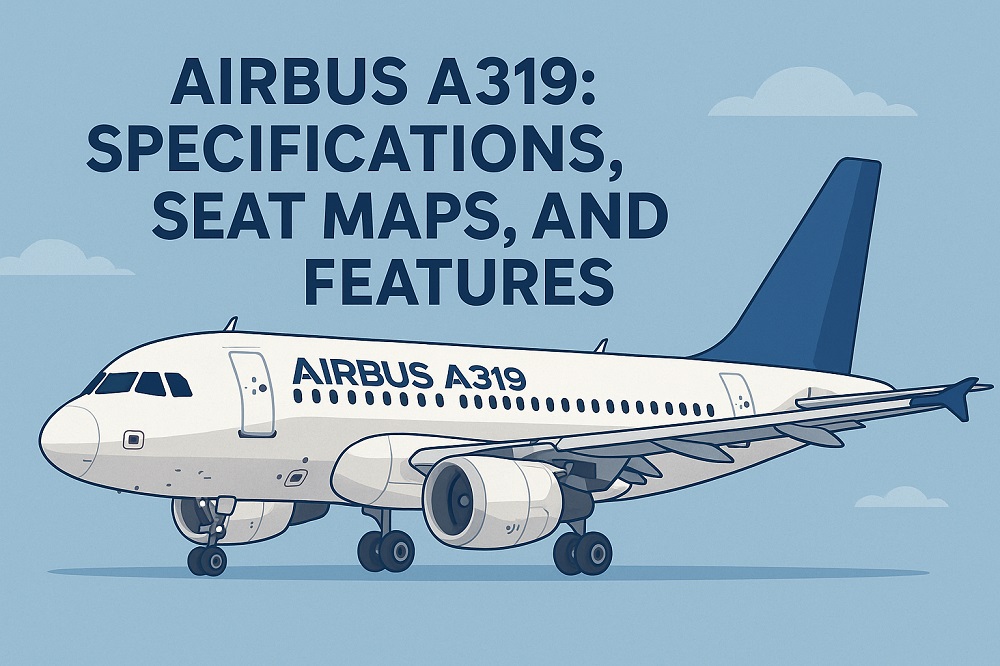
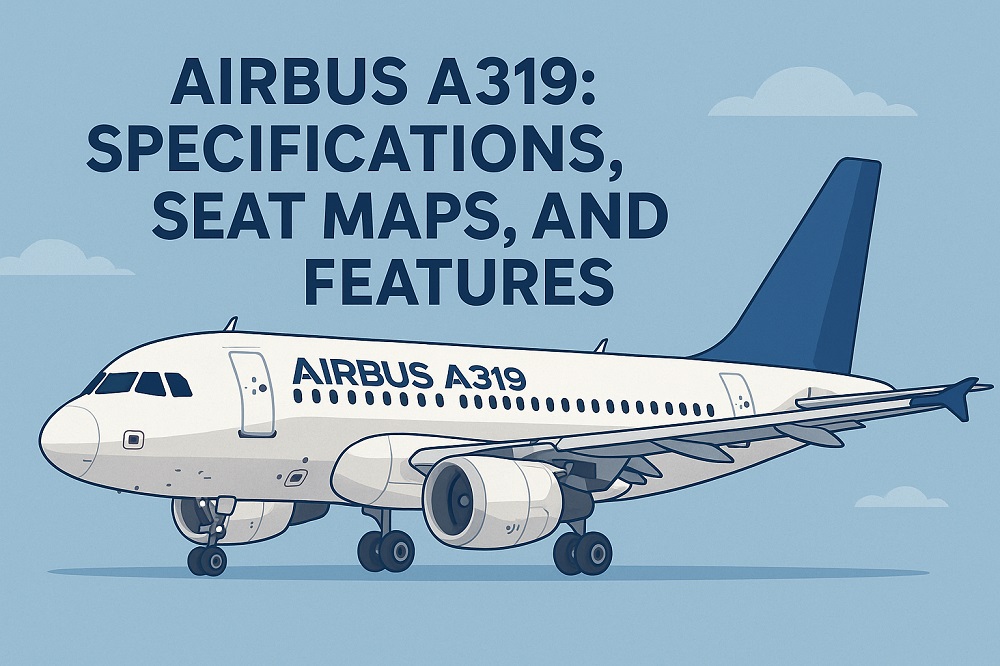
Airbus A319: Specifications, Seat Maps, and Features

Discover the remarkable engineering achievement that is the Airbus A319, a commercial aircraft that has revolutionized short to medium-range air travel. Whether you’re an aviation enthusiast or simply curious about this versatile aircraft, this comprehensive guide will walk you through its specifications, features, and impressive capabilities.

Overview of the Airbus A319

The Airbus A319 represents a pinnacle of modern aircraft engineering, combining efficiency, versatility, and passenger comfort. As a distinguished member of the Airbus A320 family, this twin-engine jet airliner has established itself as a cornerstone in commercial aviation. The aircraft’s optimal cabin design and advanced technology make it a preferred choice for airlines worldwide.

  • Passenger capacity: 124-156 passengers (depending on configuration)
  • Flight crew: 2 pilots
  • Exit limit: 150-160 passengers
  • Advanced avionics system
  • Flexible cabin configuration options

History and Development of the Airbus A319

The Airbus A319’s journey began on May 22, 1992, marking Airbus’s strategic move to expand its aircraft family. The International Lease Finance Corporation (ILFC) demonstrated early confidence by becoming the launch customer with a six-aircraft order. Following its maiden flight on March 25, 1995, the A319 has undergone continuous evolution, culminating in the development of the A319neo variant, which offers enhanced fuel efficiency and reduced environmental impact.

Key Features of the Airbus A319

The A319 distinguishes itself through several innovative features that benefit both operators and passengers:

  • Low operating costs through advanced materials and aerodynamic design
  • Quick turnaround capabilities
  • Short runway operation capability
  • Optimized cabin cross-section
  • ACJ319 ‘Elegance’ variant with extended range of 6,000 nautical miles

Airbus A319 Specifications

The A319’s engineering excellence is evident in its technical specifications, which balance operational efficiency with passenger comfort. The aircraft’s design prioritizes fuel efficiency and environmental responsibility while maintaining high performance standards.

Dimensions and Capacity

SpecificationMeasurement
Length33.84 meters (111 feet)
Wingspan35.8 meters (117 feet 5 inches)

American Airlines configuration example:

  • First Class: 8 recliner seats (2-2 configuration)
  • Main Cabin Extra: 24 seats
  • Standard Economy: 96 seats
  • Total capacity: 128 passengers

Performance and Range

The A319neo demonstrates impressive capabilities with a maximum range of approximately 6,850 kilometers (3,700 nautical miles), making it suitable for both domestic and international routes. Its optimized aerodynamics and weight distribution contribute to exceptional performance across various operating conditions.

Engine Options

Airlines can choose between two leading engine manufacturers:

  • CFM International’s CFM56 series (powering over 54% of A320 family aircraft)
  • International Aero Engines (IAE) V2500 series

Both options offer excellent reliability and efficiency, allowing airlines to select the most suitable configuration for their specific operational requirements.

Airbus A319 Seat Maps and Cabin Layout

The Airbus A319’s seat map and cabin layout exemplify efficient space utilization and adaptability to diverse passenger needs. Airlines can customize interior configurations based on their market requirements, striking an optimal balance between comfort and capacity. American Airlines’ A319 configuration serves as an excellent example of seamless integration of different seating classes within the compact fuselage.

Digital seat maps available on airline websites provide passengers with interactive tools for seat selection, displaying essential features such as:

  • Exit row locations
  • Lavatory positions
  • Galley areas
  • Seat characteristics and amenities
  • Emergency equipment locations

Seating Capacity and Configuration

Cabin ClassNumber of SeatsConfigurationSeat PitchSeat Width
First Class82-238 inches21 inches
Main Cabin Extra243-334 inches17.7 inches
Main Cabin963-330 inches17.3-18 inches

Interior Design and Comfort

The A319’s interior showcases modern design elements with emphasis on passenger comfort and functionality. Key features include:

  • Strategic lighting systems for enhanced ambiance
  • Spacious overhead bins for convenient storage
  • Personal device entertainment systems
  • Wi-Fi connectivity for in-flight productivity
  • Advanced air filtration systems
  • Noise reduction technology

Airbus A319 Features and Innovations

The A319’s design excellence is evident through its comprehensive range of features that enhance operational efficiency and passenger experience. The optimized cabin cross-section maximizes space utilization while maintaining superior comfort levels. The aircraft’s cost-effectiveness stems from advanced materials, aerodynamic refinements, and fuel-efficient engine options, making it particularly attractive for airlines serving diverse route networks.

Technological Advancements

The A319neo variant introduces several cutting-edge innovations:

  • Next-generation engine options (CFM International LEAP-1A or Pratt & Whitney PW1100G)
  • Sharklet winglets for improved aerodynamics
  • Enhanced fuel efficiency and reduced emissions
  • Enlarged hand luggage compartments
  • Advanced air purification system
  • Weight-reduction technologies

Safety Features

Safety remains paramount in the A319’s design, incorporating:

  • Fly-by-wire control system with built-in protections
  • Advanced traffic collision avoidance technology (TCAS)
  • Enhanced ground proximity warning systems (EGPWS)
  • State-of-the-art fire detection and suppression systems
  • Rapid deployment emergency evacuation equipment
  • Robust structural design for extreme conditions

Other articles about Airbus aircraft:

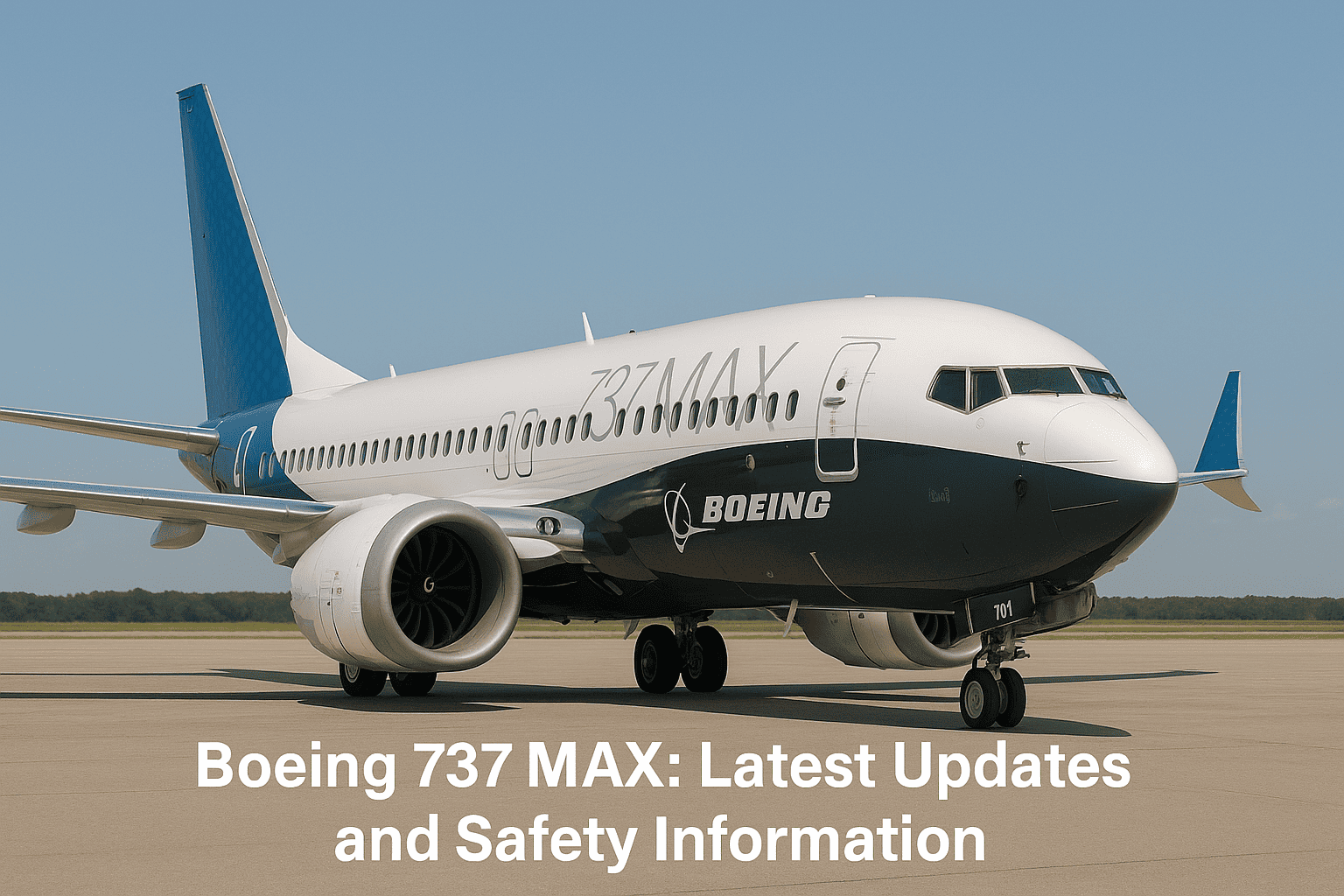
Boeing 737 Max: Latest Updates and Safety Information

The Boeing 737 MAX represents a crucial milestone in commercial aviation history, combining innovative technology with enhanced safety measures. Following recent incidents and subsequent improvements, this comprehensive guide explores the aircraft’s features, safety concerns, and current status in the aviation industry.

Overview of Boeing 737 Max

The Boeing 737 MAX emerges as a revolutionary advancement in commercial aviation, building upon its predecessor, the 737 Next Generation (737NG). The aircraft delivers significant improvements in multiple areas:

  • 20% reduction in fuel consumption and emissions
  • 50% smaller noise footprint
  • 14% lower airframe maintenance costs
  • Advanced technology winglets
  • Highly efficient LEAP-1B engines

LEAP-1B Engine Stand

Design and Features of Boeing 737 Max

The aircraft’s design philosophy emphasizes aerodynamic efficiency while maintaining the trusted 737 platform’s reliability. Key features include:

  • Split-tip winglets for improved lift and reduced drag
  • Enhanced cabin experience with larger overhead bins
  • LED lighting system for improved ambiance
  • Advanced acoustic engineering for quieter flights
  • Optimized aerodynamic profile

Technological Advancements in Boeing 737 Max

At the heart of the 737 MAX’s capabilities are its cutting-edge innovations:

ComponentEnhancement
LEAP-1B EnginesAdvanced materials, improved fuel efficiency, reduced maintenance needs
Wing DesignOptimized lift and drag characteristics
Control SystemsFly-by-wire spoiler system, enhanced avionics
Operational EfficiencyExtended range, increased payload capacity

Safety Concerns and Incidents

The Boeing 737 Max has faced significant scrutiny following several critical incidents that prompted comprehensive safety reviews and improvements.

Notable Incidents Involving Boeing 737 Max

Three major incidents have shaped the aircraft’s safety history:

  • Lion Air Flight 610 crash (October 2018)
  • Ethiopian Airlines Flight 302 crash (March 2019)
  • Alaska Airlines cabin blowout incident (January 2024)

Safety Measures and Improvements

Boeing has implemented comprehensive safety enhancements:

  • Establishment of an aerospace safety committee
  • Reorganized engineering structure with direct reporting to chief engineer
  • Creation of Product & Services Safety organization
  • Implementation of Design Requirements Program
  • Enhanced Continued Operational Safety Program
  • Strengthened partnerships with airline customers

Certification and Regulatory Updates

The aircraft’s certification process has evolved significantly, with Boeing working closely with international regulators to ensure compliance with enhanced safety standards. This includes comprehensive documentation of updates and improved training programs to restore confidence in the aircraft’s operational safety.

FAA and Global Certification Processes

The Federal Aviation Administration (FAA) has established a comprehensive recertification process for the Boeing 737 MAX, setting new standards for thoroughness and transparency. This enhanced process involves collaboration with aviation authorities worldwide, ensuring the aircraft meets stringent safety requirements across all operational aspects.

  • Detailed operator instructions for inspections
  • Comprehensive maintenance protocols
  • Thorough regulatory review process
  • International authority involvement
  • Enhanced safety verification procedures

Recent Regulatory Changes

In response to recent events, regulatory bodies have implemented comprehensive safety enhancements for the Boeing 737 MAX:

  • Enhanced pilot training requirements
  • Increased automated systems oversight
  • Improved safety reporting protocols
  • New safety committee establishment
  • Restructured engineering organization

Airlines Operating Boeing 737 Max

The Boeing 737 Max has established itself as a key player in commercial aviation, offering significant advantages in fuel efficiency, range, and passenger comfort. Operating efficiently on routes between 3,215 to 3,825 nautical miles (5,954 to 7,084 km), it serves as a versatile option for airlines worldwide, particularly following its successful integration into various carrier fleets.

Major Airlines Using Boeing 737 Max

RegionMajor Operators
North AmericaSouthwest Airlines (Launch Customer), American Airlines, United Airlines, Air Canada
EuropeRyanair
Asia/Middle EastLion Air, FlyDubai

Impact on Airline Operations

The Boeing 737 Max’s integration into airline fleets has brought both advantages and challenges:

  • Improved fuel efficiency enabling cost reduction
  • Extended range capabilities for network expansion
  • Enhanced competitive positioning
  • Required operational adjustments during grounding
  • Implementation of new safety protocols
  • Additional pilot training requirements

Future of Boeing 737 Max

The Boeing 737 Max continues to evolve, focusing on innovation and efficiency in the single-aisle commercial aircraft segment. Despite past challenges, Boeing’s commitment to enhancing the aircraft’s capabilities and safety features positions it for potential future success, contingent upon meeting strict regulatory requirements and maintaining public trust.

Predicted Developments and Innovations

AreaExpected Improvements
Environmental PerformanceEnhanced fuel efficiency, reduced emissions, aerodynamic refinements
Flight SystemsAdvanced avionics, improved automation, enhanced flight controls
Passenger ExperienceNew cabin designs, improved amenities, modern comfort features
Technology IntegrationSophisticated flight management systems, enhanced cockpit displays

Market Outlook for Boeing 737 Max

The market outlook for the Boeing 737 Max presents a complex landscape of challenges and opportunities within the aviation industry. While the aircraft’s fundamental design and efficiency advantages remain compelling, its future success hinges on several critical factors.

  • Strong demand for single-aisle aircraft in post-recovery market
  • Continued focus on fuel efficiency and operational cost reduction
  • Growing need for fleet modernization among global carriers
  • Increasing emphasis on environmental performance
  • Competition from rival manufacturers in the narrow-body segment
Market FactorImpact Assessment
Industry RecoveryPositive influence on demand for efficient aircraft
Fleet ModernizationPotential catalyst for new orders
Trust RebuildingCritical factor for market acceptance
CompetitionIncreasing pressure from alternative options

According to Boeing’s 2024 Commercial Market Outlook, the success of the 737 Max will largely depend on the manufacturer’s ability to demonstrate consistent safety performance, reliability, and economic benefits. The aircraft’s position in the market will be influenced by Boeing’s capacity to effectively compete with rival offerings while maintaining the trust of both airlines and passengers.

The other articles about Boeing:

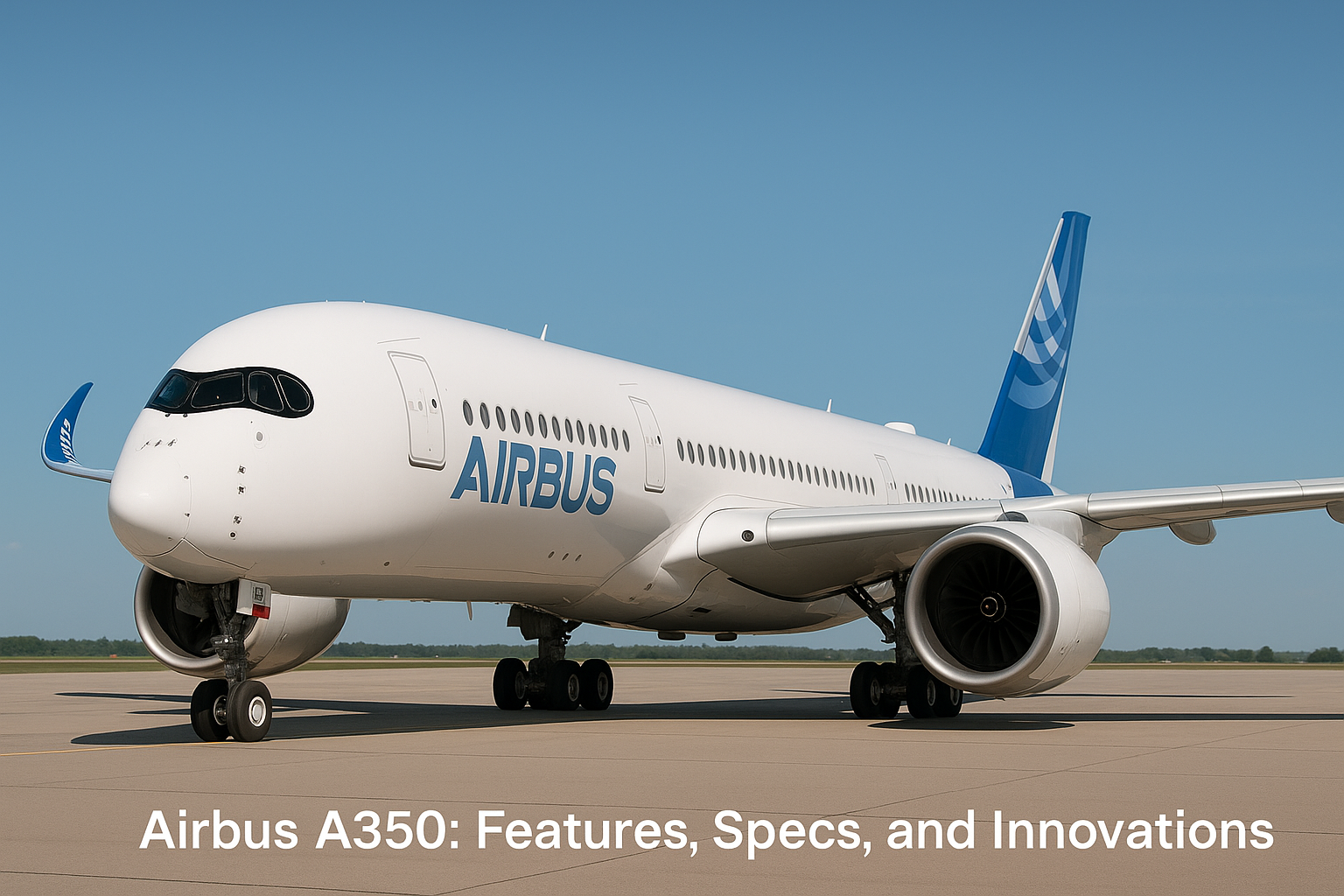
Airbus A350: Features, Specs, and Innovations

Step aboard the remarkable Airbus A350, a groundbreaking aircraft that has revolutionized modern aviation. This comprehensive guide explores the innovative features, technical specifications, and cutting-edge technology that make the A350 a leader in commercial aviation.

Overview of the Airbus A350

The Airbus A350 represents a significant milestone in commercial aircraft design, competing directly with Boeing’s 787 Dreamliner. This long-range, wide-body twin-engine airliner showcases Airbus’s commitment to innovation through its ‘XWB’ (eXtra Wide Body) concept, enhancing both passenger comfort and performance capabilities.

Powered by two state-of-the-art Rolls-Royce Trent XWB high bypass turbofan engines, the A350 delivers exceptional fuel efficiency without compromising power or reliability.

Introduction to the Airbus A350

The A350’s revolutionary design incorporates extensive use of carbon-fiber-reinforced polymers, comprising over 50% of the aircraft’s structure. This advanced material choice offers multiple benefits:

  • Lighter yet stronger airframe construction
  • Improved fuel efficiency
  • Reduced maintenance requirements
  • Enhanced passenger comfort through higher cabin pressure
  • Better humidity control for improved air quality

Development and Launch

The A350’s journey from concept to reality demonstrates Airbus’s engineering excellence. Key milestones include:

DateMilestone
December 1, 2006Official program launch for A350-800, -900, and -1000 variants
June 14, 2013First prototype maiden flight
September 2014EASA type certification
November 2014FAA certification
January 15, 2015Commercial debut with Qatar Airways

Key Features of the Airbus A350

The A350’s design philosophy centers on efficiency, performance, and passenger comfort. The aircraft’s ‘XWB’ concept provides a spacious cabin while optimizing aerodynamic performance, complemented by specially designed Rolls-Royce Trent XWB engines.

Innovative Design Elements

  • Advanced carbon-fiber-reinforced polymer construction (over 50% of structure)
  • Adaptive wing design for optimized flight performance
  • Larger windows enhancing structural integrity and passenger experience
  • Aerodynamic improvements reducing drag and fuel consumption

Advanced Technology Integration

The A350 showcases cutting-edge aviation technology through:

  • State-of-the-art fly-by-wire system with side-stick controllers
  • Advanced touchscreen displays and flight management systems
  • Enhanced cabin environment control maintaining 6,000-foot cabin altitude
  • Sophisticated mood lighting system with 16.7 million color options

Specifications of the Airbus A350

Technical Specifications

SpecificationA350-900A350-1000
Length66.8 meters73.79 meters
Wingspan64.75 meters64.75 meters
Height17.05 meters17.05 meters
Passenger Capacity (3-class)300-350350-410
Range15,000 km14,800 km
Maximum Take-off Weight280 tonnes319 tonnes

Performance Metrics

The Airbus A350 demonstrates exceptional performance capabilities that set new industry standards. Its advanced specifications include:

  • Maximum cruise speed – Mach 0.89 (1,041 km/h or 646 mph)
  • Operational ceiling – 43,100 feet (13,100 meters)
  • Fuel consumption reduction – 25% compared to predecessors
  • CO2 emissions reduction – 25% lower than previous generation aircraft
  • Dispatch reliability – Exceeding 99% in commercial operations

Innovations in the Airbus A350

The Airbus A350 embodies cutting-edge aviation technology through its revolutionary ‘XWB’ (eXtra Wide Body) design. This clean-sheet approach directly challenges the Boeing 787 Dreamliner, establishing new benchmarks in efficiency, performance, and passenger experience.

A cornerstone of the A350’s innovation lies in its extensive use of carbon-fiber-reinforced polymers (CFRP). This advanced material constitutes a significant portion of the aircraft’s structure, delivering a lighter yet more robust airframe that enhances fuel efficiency and overall performance.

Fuel Efficiency and Environmental Impact

FeatureBenefit
A350-900 DesignOptimized for long-distance flights with reduced fuel consumption
A350-1000 Performance25% reduction in fuel burn and CO₂ emissions
‘Operate’ ServiceFlight operations solutions for maximized efficiency and safety

Passenger Comfort and Cabin Features

  • Quietest twin-aisle cabin in commercial aviation
  • Lowest cabin altitude in its class for reduced jet lag
  • Advanced mood lighting system with 16.7 million color options
  • State-of-the-art in-flight entertainment systems
  • Enhanced air quality and cabin spaciousness

Conclusion: The Future of the Airbus A350

The Airbus A350 is strategically positioned to dominate the long-haul aircraft market, driven by increasing demand for fuel-efficient and environmentally sustainable aircraft. As airlines phase out older models like the Boeing 777 series and Airbus A330ceo and A340, the A350’s advanced capabilities make it an ideal replacement choice.

Market Outlook and Future Developments

The A350’s market prospects are exceptionally promising, supported by industry trends toward modernization and environmental consciousness. Airbus continues to enhance the A350 family through:

  • Ongoing fuel efficiency improvements
  • Alternative fuel technology integration
  • Advanced avionics development
  • Enhanced passenger comfort features
  • Continuous technological innovations

Check out our other articles about Airbus: