
Airbus A340-300: Features, Specifications, and Performance

iscover the remarkable Airbus A340-300, a groundbreaking aircraft that revolutionized long-haul aviation. This comprehensive guide explores its technical prowess, operational history, and lasting impact on international air travel.

Overview of the Airbus A340-300

The Airbus A340-300 represents a significant milestone in aviation history as the first four-engine, wide-body jet from Airbus. Introduced in the early 1990s, this long-haul marvel quickly established itself as a cornerstone of major airline fleets worldwide, with Lufthansa leading its adoption from the beginning.

  • Most successful A340 variant with 200 units produced
  • Capacity for 40 additional passengers compared to A340-200
  • Extended range of 600 nautical miles when fully loaded
  • Optimized design for long-haul operations

Introduction to the Airbus A340 Family

Launched in 1987, the A340-300 emerged as the flagship variant of Airbus’s innovative long-range series. The aircraft showcases Airbus’s commitment to modular design principles, sharing its fuselage and wing design with the A340-200. Developed to compete with Boeing’s 747 and 777 series, the four-engine configuration offers exceptional range and high-altitude airport capabilities.


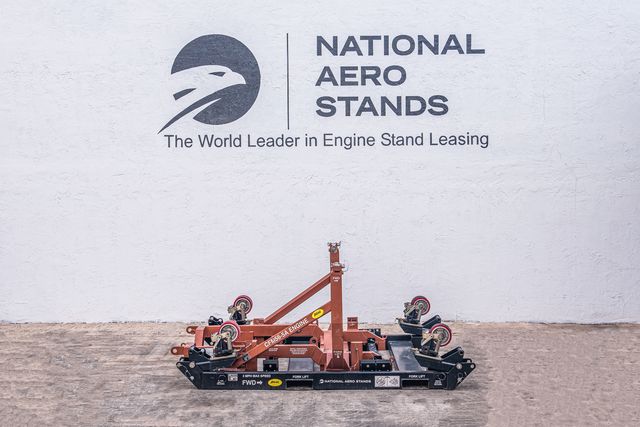
Trent 500/700 APS Engine Stand for Airbus A340-300
Engine Stand Trent 500/700 APS

Discover the reliable Trent 500/700 APS Engine Stand by National Aero Stands, designed for secure transportation and storage of engines.


Development and History of the A340-300

The mid-1980s marked the beginning of the A340-300’s development, culminating in its first flight in October 1991. Singapore Airlines demonstrated early confidence in the aircraft, ordering 17 units and operating them until 2003. The A340-300’s enduring reliability is evidenced by Lufthansa’s continued operation well into the 2020s.

Technical Specifications of the Airbus A340-300

SpecificationMeasurement
Length63.69 meters
Wingspan60.30 meters
Height16.99 meters
Maximum Takeoff Weight271,000 kg

Engine and Performance Details

  • Four CFM56-5C4 engines with 34,000 lbs thrust each
  • Cruising speed: 875 km/h
  • Maximum altitude: 12,600 meters
  • Range: 11,800 km
  • Maximum operational Mach number: 0.86

Dimensions and Capacity

The A340-300’s 63.7-meter fuselage accommodates various seating configurations:

  • Typical three-class layout: 283 passengers
    • Business Class: 30 seats
    • Premium Economy: 28 seats
    • Economy Class: 225 seats
  • Maximum high-density capacity: 440 passengers
  • Maximum landing weight: 190,000 kg
Airbus-A340-300

Airline Operators and Global Reach

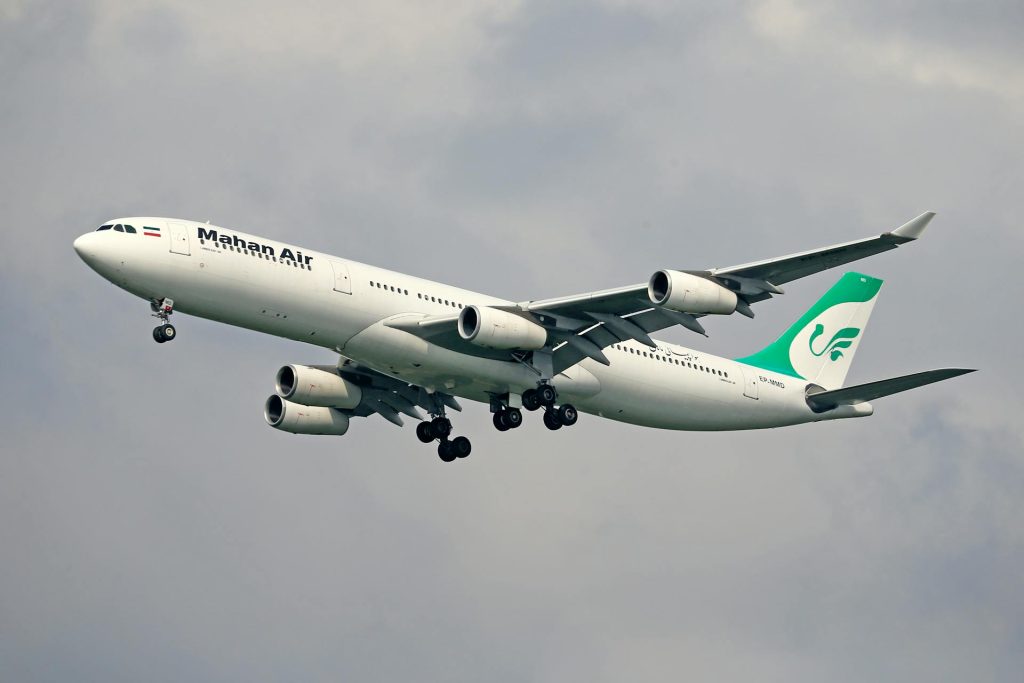
Currently, approximately 17 operators worldwide maintain A340-300s in their fleets, utilizing the aircraft’s impressive range for international routes. The aircraft’s ability to connect distant cities non-stop has secured its position in long-haul operations.

Major Airlines Using the A340-300

  • Primary European operators:
    • Lufthansa – long-standing operator
    • Swiss International Air Lines
    • Air France (historical)
  • Other notable operators:
    • Mahan Air (Iran)
    • Edelweiss Air
    • Hi Fly Malta (wet-lease specialist)

Routes and Destinations

The Airbus A340-300’s exceptional 11,800-kilometer range enables airlines to establish diverse long-haul routes across the globe. Its four-engine configuration delivers essential power and redundancy for extended operations, particularly over oceanic and remote regions.

  • Primary route categories:
    • Transatlantic services between Europe and North America
    • European connections to Asian destinations
    • South American routes
    • High-altitude airport operations (Mexico City, Bogotá)

Cabin Features and Passenger Experience

The A340-300’s wide-body design creates a spacious, comfortable environment optimized for long-haul travel. The innovative Airspace cabin incorporates several premium features:

  • Wide, ergonomic seats for enhanced comfort
  • Generous overhead storage capacity
  • Advanced mood lighting system for jet lag reduction
  • Open cabin architecture creating a sense of space

Seating Configuration and Comfort

ClassSeat CountFeatures
Business Class30Angled flat-bed seats
Premium Economy28Enhanced legroom, wider seats
Economy Class221Optimized comfort in high-density layout

In-flight Services and Amenities

The A340-300 delivers comprehensive entertainment and connectivity options through its advanced IMS/Zodiac RAVE system. Entertainment features include:

  • Extensive media library:
    • 400+ CD selection
    • Multiple audiobook options
    • 21 radio channels
  • Connectivity amenities:
    • AC power outlets
    • USB charging ports
    • In-flight internet access
    • Customizable meal service options

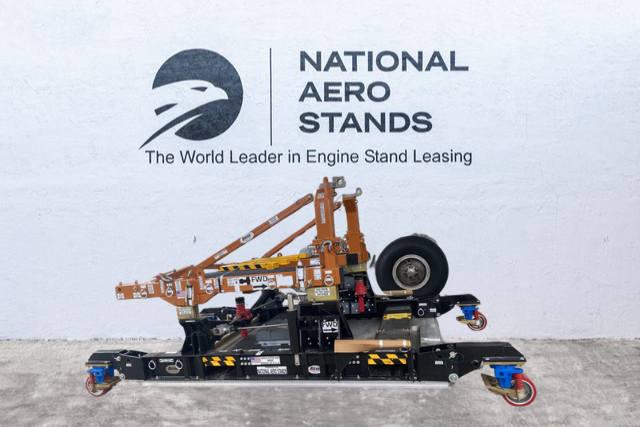
Trent 500/700 APS Engine Stand for Airbus A340-300

Engine Stand Trent 500/700 APS

Discover the reliable Trent 500/700 APS Engine Stand by National Aero Stands, designed for secure transportation and storage of engines.


Safety Standards and Certifications

The A340-300 exemplifies aviation safety excellence through advanced technology and strict compliance with international standards. The aircraft meets all EASA and FAA requirements, ensuring maximum safety for commercial passenger transport across global routes.

Safety Features of the A340-300

  • Primary safety systems:
    • Quad-engine redundancy configuration
    • Advanced fly-by-wire technology
    • State-of-the-art navigation equipment
    • Emergency Locator Transmitter (ELT) system

Maintenance and Reliability

The A340-300’s reliability stems from its comprehensive maintenance program and robust component design. Key maintenance elements include:

  • Regular inspection schedule:
    • Daily checks
    • A-check inspections
    • C-check evaluations
    • D-check comprehensive assessments
  • Support services:
    • Aircraft on Ground (AOG) assistance
    • Aircraft Care programs
    • Modular component design
    • Easy-access maintenance panels

Read more:

Airbus A320: Specifications, Features, and Seat Maps

Discover the revolutionary Airbus A320, a game-changing aircraft that has transformed commercial aviation through its innovative design, exceptional performance, and cutting-edge technology. Let’s explore what makes this narrow-body aircraft a preferred choice for airlines worldwide.

Overview of the Airbus A320

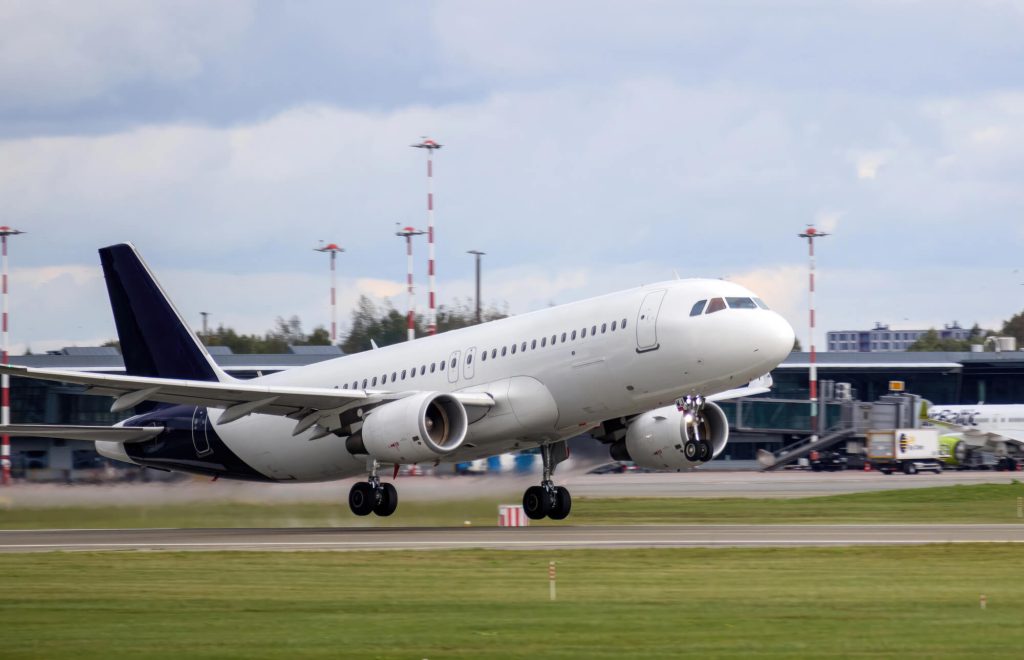
The Airbus A320 represents a pinnacle of efficiency and versatility in commercial aviation. This twin-engine jet, designed for short to medium-haul flights, has become a cornerstone of many airline fleets worldwide. With its distinctive low-wing configuration and sleek profile, the A320 has set new standards in the commercial aviation industry.


CFM56-5A/B/C Engine Stand for Airbus A320

Discover the reliable CFM56-5A/B/C by National Aero Stands, designed for secure transportation and storage of engines.


The aircraft features a conventional tail and is powered by two wing pylon-mounted turbofan engines, providing an optimal balance of power and fuel efficiency. Its advanced engineering includes:

  • Retractable tricycle landing gear for smooth operations
  • Advanced materials for weight reduction
  • Optimized aerodynamic design
  • Enhanced operational efficiency
  • State-of-the-art avionics systems

History and Development of the Airbus A320

The journey of the Airbus A320 began in the mid-1980s, marking the dawn of a new era in commercial aviation. The program was officially launched in 1984, with the ambitious goal of creating a single-aisle aircraft that could compete with Boeing’s popular 737.

MilestoneDateAchievement
First FlightFebruary 22, 1987Introduction of fly-by-wire technology
Commercial DebutApril 18, 1988Air France fleet introduction
Neo Introduction2012Launch of more efficient engines and Sharklets

Key Milestones in Airbus A320’s Journey

The A320’s evolution has been marked by significant technological breakthroughs:

  • Introduction of fly-by-wire control system – first in commercial aviation
  • Transition from A320ceo to A320neo with 15-20% fuel consumption reduction
  • Development of various configurations for different airline needs
  • Implementation of advanced aerodynamic features like Sharklets
  • Achievement of thousands of successful deliveries globally

Specifications of the Airbus A320

The A320’s specifications showcase its engineering excellence with a cabin diameter of 3.95 meters (156 inches), surpassing many competitors. The aircraft’s design incorporates advanced materials for optimal weight reduction while maintaining structural integrity.

Design and Dimensions

Airbus A320 Specifications
DimensionMeasurement
Length37.57 meters (123 feet 3 inches)
Wingspan35.80 meters (117 feet 5 inches)
Height11.76 meters (38 feet 7 inches)
Passenger Capacity150-180 (typical two-class configuration)

Engine Options and Performance

The A320 offers multiple engine choices to meet diverse operational requirements:

  • Original CFM56-5-A1 engines (111 kN thrust)
  • IAE V2500 engine alternative
  • Neo variants with LEAP-1A engines
  • PurePower PW1100G-JM engines option
  • 15-20% improved fuel efficiency in neo variants
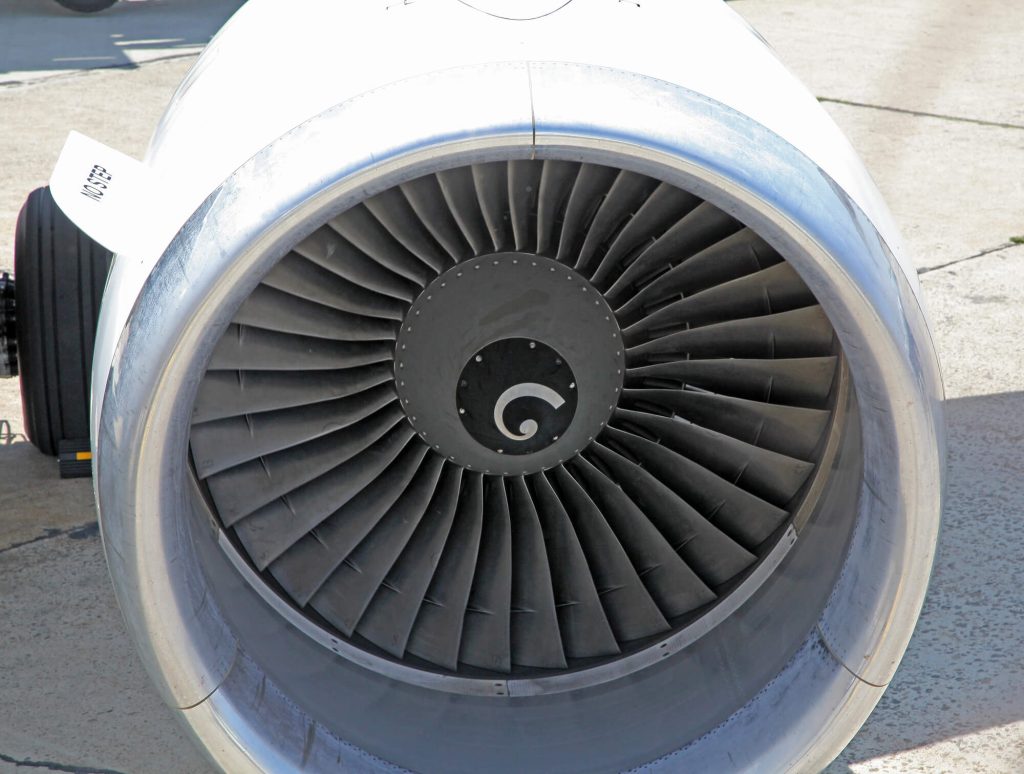
Airbus A320 engine

Features of the Airbus A320

The A320’s innovative features combine efficiency with advanced technology, including its revolutionary fly-by-wire control system and advanced material construction. These elements contribute to enhanced safety, improved operational efficiency, and reduced environmental impact through better fuel efficiency and lower emissions.

Cabin Layout and Comfort

The Airbus A320 sets new standards in passenger comfort with the widest single-aisle fuselage in its class. The spacious cabin incorporates the innovative Airspace design, featuring:

  • XL luggage bins for increased storage capacity
  • Wider seats for enhanced comfort
  • Generous aisle width for improved mobility
  • Power sockets at every seat (on selected aircraft)
  • All-leather seating throughout the cabin
  • Advanced touchless lavatory features
  • Quieter cabin environment

CFM56-5A/B/C Engine Stand for Airbus A320

Discover the reliable CFM56-5A/B/C by National Aero Stands, designed for secure transportation and storage of engines.


Safety Features and Technologies

The A320’s commitment to safety is evident in its comprehensive suite of advanced features:

  • Full glass cockpit with modern instrumentation
  • Innovative fly-by-wire control system
  • Side-stick controls for improved ergonomics
  • Advanced navigation and collision avoidance systems
  • Redundant critical systems for enhanced reliability

Airbus A320 Seat Maps and Configurations

The A320’s versatile cabin design enables airlines to customize seating arrangements according to their specific needs. The aircraft supports configurations ranging from 140 to 180 passengers while maintaining optimal comfort levels. This flexibility allows carriers to balance revenue potential with passenger experience, adapting layouts for different routes and market segments.

Seating Capacity and Arrangements

Class ConfigurationLayoutTypical Capacity
Economy Class3-3 configurationUp to 180 seats
Business Class2-2 configuration12-16 seats
Mixed ClassCombined layouts140-170 seats

Airline-Specific Configurations

Airlines customize their A320 configurations based on their business models and market demands:

  • Full-service carriers: Typically feature 12 first-class seats, 18 extra-legroom seats, and 120 economy seats
  • Low-cost carriers: Maximize capacity with 180 all-economy seats
  • Premium carriers: Some operate exclusive configurations with 42 all-business class seats
  • Mixed configurations: Various combinations of business, premium economy, and standard economy seating

Other articles about Airbus aircraft:

Boeing 707: History, Features, and Impact on Aviation

Step aboard as we explore the revolutionary Boeing 707, an aircraft that transformed commercial aviation and set new standards for air travel. This comprehensive guide delves into the remarkable journey of the aircraft that launched the jet age and shaped modern aviation as we know it today.

The Birth of the Boeing 707: A Historical Overview

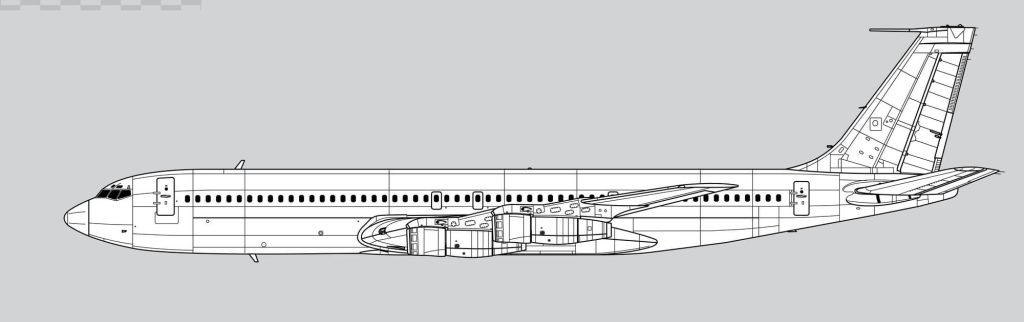
The Boeing 707, emerging in the 1950s, revolutionized commercial aviation as the first successful jet airliner. This swept-wing quadjet with podded engines marked Boeing’s dominance in the commercial jet market. Between 1956 and 1978, Boeing manufactured 865 units (excluding the Boeing 720 variant).

The 707’s introduction demonstrated the immense potential of jet technology in commercial aviation, offering unprecedented range, passenger capacity, and performance capabilities. Its versatility and adaptability across various routes established its position as a transformative force in the industry.


CFM56-5A/B Engine Stand for Boeing 707

Engine Stand CFM56-5A/B

Discover the reliable CFM56-5A/B Engine Stand by National Aero Stands, designed for secure transportation and storage of engines.


Development and Design of the Boeing 707

The Boeing 707’s development in the early 1950s leveraged the company’s military jet aircraft expertise. The design evolved from the Boeing 367-80, nicknamed ‘Dash 80,’ which served as the prototype for this groundbreaking commercial jetliner.

The first production model, the 707-120, featured four Pratt & Whitney JT3C turbojet engines. Its distinctive swept-wing design, borrowed from military aircraft, significantly enhanced aerodynamic efficiency and established new standards for commercial aircraft design.

First Flight and Initial Reception

On December 20, 1957, the Boeing 707 completed its historic first flight. Pan American World Airways initiated regular service on October 26, 1958, officially launching the commercial jet age.

  • Higher flight altitudes reducing turbulence
  • Significantly faster travel times
  • Enhanced passenger comfort
  • Greater accessibility for intercontinental travel
  • Rapid industry-wide adoption of jet technology

Key Features and Specifications of the Boeing 707

Boeing 707 Features
FeatureSpecification
Length (707-120)145 feet
Engine ConfigurationFour Pratt & Whitney JT3C turbojets
Seating LayoutSix-abreast economy configuration
Production Period1956-1978
Total Units Built865 (excluding 720 variant)

Innovative Design Elements

  • Swept-wing configuration for reduced drag
  • Podded engines under wings for improved maintenance access
  • Pressurized cabin for high-altitude comfort
  • Advanced hydraulic systems
  • Robust landing gear for varied airport operations
  • Enhanced flight control surfaces

Impact of the Boeing 707 on Commercial Aviation

The Boeing 707’s introduction marked a pivotal moment in aviation history, fundamentally transforming air travel. This revolutionary aircraft not only introduced jet propulsion to commercial flights but also enabled longer routes, increased passenger capacity, and dramatically reduced travel times.

The success of the 707 necessitated significant upgrades in air traffic control systems and established new industry standards for comfort and efficiency. Its influence extended beyond commercial applications, leading to military variants like the United States Air Force KC-135 Stratotanker, demonstrating its versatile design and lasting impact on aviation technology.

The Legacy of the Boeing 707

The Boeing 707 stands as a monumental figure in aviation history, leaving an indelible mark on the industry and shaping the future of air travel. Developed in the 1950s, this pioneering jet transport aircraft revolutionized commercial aviation by offering faster, more efficient service compared to its propeller-driven predecessors. The 707’s introduction marked the dawn of the jet age, transforming the way people traveled and setting new standards for speed, comfort, and long-distance flight capabilities.

As one of the first successful commercial jet airliners, the Boeing 707 played a pivotal role in establishing Boeing as a leading manufacturer in the industry. Its impressive range, passenger capacity, and versatility made it a popular choice for airlines worldwide, influencing generations of aircraft that followed. The 707’s numerous variants and adaptability ensured its lasting legacy, serving as a symbol of technological advancement and the evolution of commercial aviation throughout its operational life and beyond.

Revolutionizing Air Travel

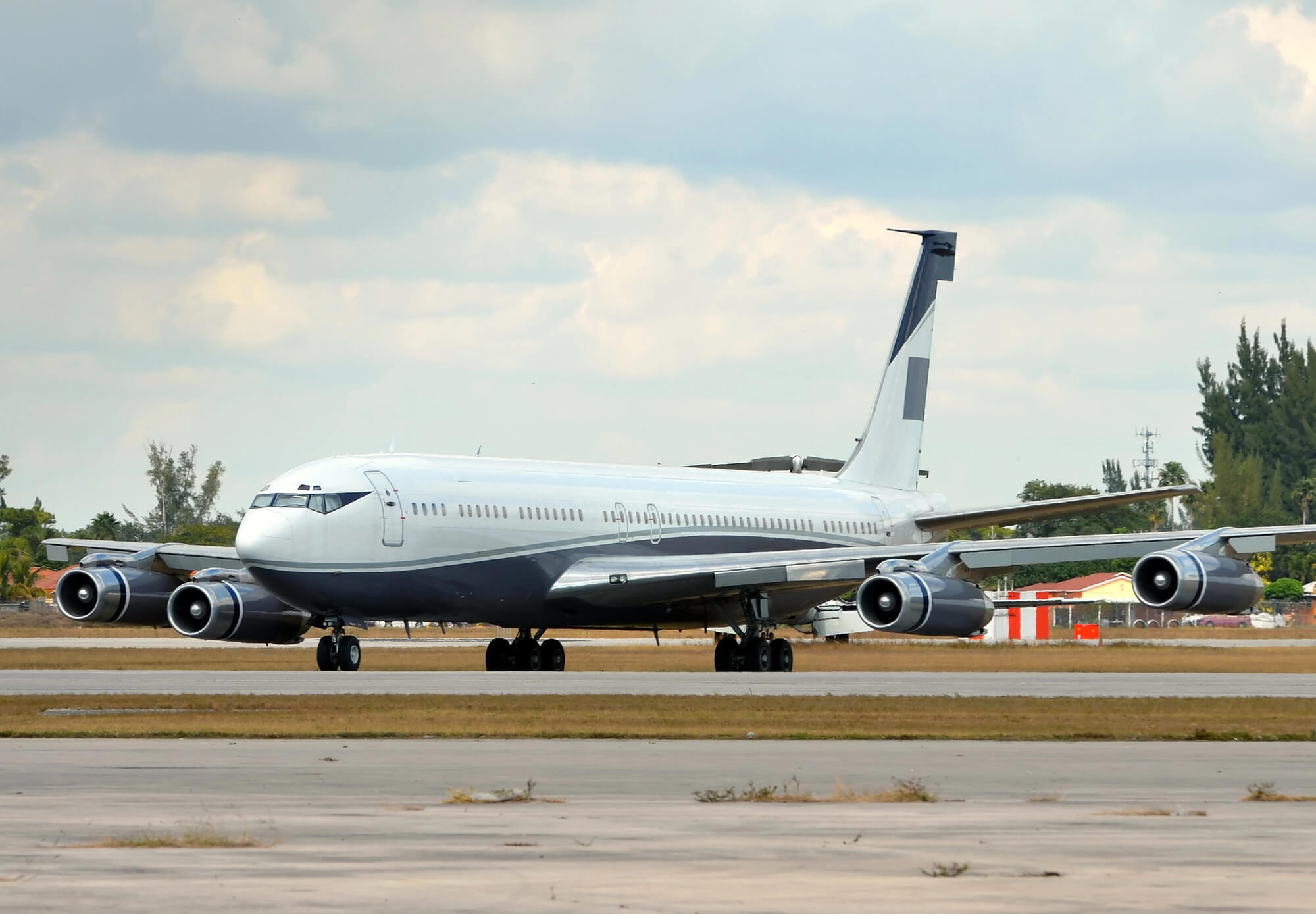
Boeing 707 aviation
  • Reduced transatlantic flight times from 15 to 7 hours
  • Increased passenger capacity and improved operating economics
  • More affordable fares, democratizing air travel
  • Enhanced passenger comfort and in-flight experience
  • Facilitated boom in tourism and international business travel

Influence on Future Aircraft Designs

The Boeing 707’s success and innovative design established a blueprint for commercial jetliners that would shape the industry for decades. Its key features became standard elements in subsequent aircraft designs, driving continuous improvements in range, speed, and efficiency.

  • Swept wings design integration
  • Podded engine configuration
  • Enhanced passenger comfort features
  • Influence on Boeing’s 727, 737, and 757 development
  • Establishment of Boeing’s ‘7×7’ naming convention

Cultural and Economic Impact

The Boeing 707’s influence extended far beyond aviation technology, becoming an icon of the jet age during the 1960s and 1970s. Its impact on global connectivity revolutionized international business and tourism, while simultaneously catalyzing the rapid expansion of the airline industry through:

  • Increased passenger traffic volumes
  • Enhanced air traffic control systems
  • Reduced operating costs for airlines
  • Facilitation of global trade
  • Promotion of cultural exchange

Preservation and Commemoration

Preservation MethodDescription
Museum CollectionsRestored 707s displayed at Museum of Flight (Seattle) and Pima Air & Space Museum (Tucson)
Historical DocumentationFeatured in documentaries, aviation literature, and industry retrospectives
Educational ResourcesDesign principles and operational practices studied by aerospace engineers
Industry ImpactInfluence visible in modern commercial jet design principles

Other articles about Boeing aircraft: