Boeing
Boeing 707: History, Features, and Impact on Aviation
Published on
Feb 25, 2025

Boeing
Step aboard as we explore the revolutionary Boeing 707, an aircraft that transformed commercial aviation and set new standards for air travel. This comprehensive guide delves into the remarkable journey of the aircraft that launched the jet age and shaped modern aviation as we know it today.
The Boeing 707, emerging in the 1950s, revolutionized commercial aviation as the first successful jet airliner. This swept-wing quadjet with podded engines marked Boeing’s dominance in the commercial jet market. Between 1956 and 1978, Boeing manufactured 865 units (excluding the Boeing 720 variant).
The 707’s introduction demonstrated the immense potential of jet technology in commercial aviation, offering unprecedented range, passenger capacity, and performance capabilities. Its versatility and adaptability across various routes established its position as a transformative force in the industry.
CFM56-5A/B Engine Stand for Boeing 707
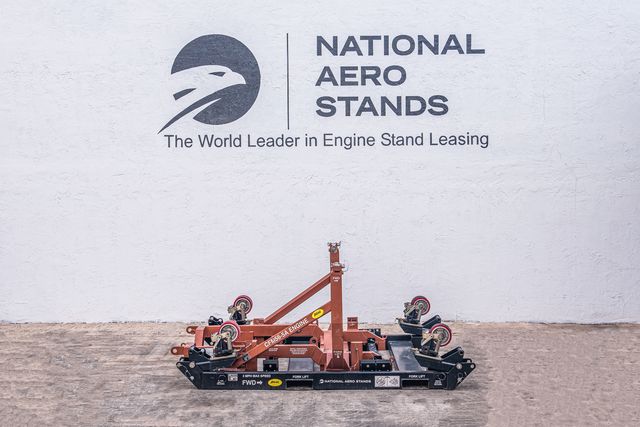
Discover the reliable CFM56-5A/B Engine Stand by National Aero Stands, designed for secure transportation and storage of engines.
The Boeing 707’s development in the early 1950s leveraged the company’s military jet aircraft expertise. The design evolved from the Boeing 367-80, nicknamed ‘Dash 80,’ which served as the prototype for this groundbreaking commercial jetliner.
The first production model, the 707-120, featured four Pratt & Whitney JT3C turbojet engines. Its distinctive swept-wing design, borrowed from military aircraft, significantly enhanced aerodynamic efficiency and established new standards for commercial aircraft design.
On December 20, 1957, the Boeing 707 completed its historic first flight. Pan American World Airways initiated regular service on October 26, 1958, officially launching the commercial jet age.
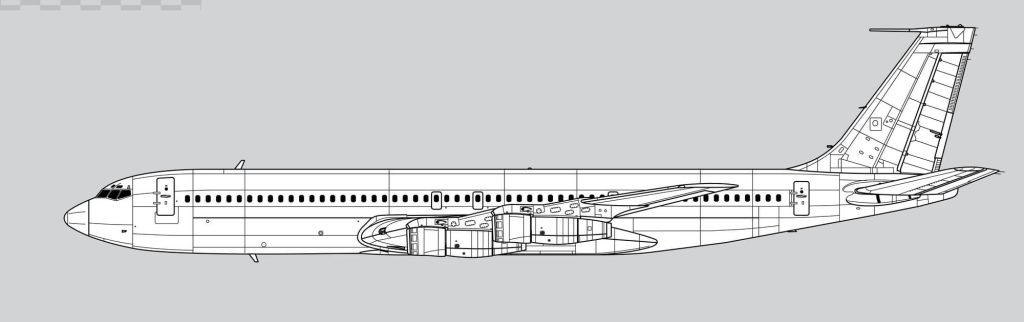
| Feature | Specification |
|---|---|
| Length (707-120) | 145 feet |
| Engine Configuration | Four Pratt & Whitney JT3C turbojets |
| Seating Layout | Six-abreast economy configuration |
| Production Period | 1956-1978 |
| Total Units Built | 865 (excluding 720 variant) |
The Boeing 707’s introduction marked a pivotal moment in aviation history, fundamentally transforming air travel. This revolutionary aircraft not only introduced jet propulsion to commercial flights but also enabled longer routes, increased passenger capacity, and dramatically reduced travel times.
The success of the 707 necessitated significant upgrades in air traffic control systems and established new industry standards for comfort and efficiency. Its influence extended beyond commercial applications, leading to military variants like the United States Air Force KC-135 Stratotanker, demonstrating its versatile design and lasting impact on aviation technology.
The Boeing 707 stands as a monumental figure in aviation history, leaving an indelible mark on the industry and shaping the future of air travel. Developed in the 1950s, this pioneering jet transport aircraft revolutionized commercial aviation by offering faster, more efficient service compared to its propeller-driven predecessors. The 707’s introduction marked the dawn of the jet age, transforming the way people traveled and setting new standards for speed, comfort, and long-distance flight capabilities.
As one of the first successful commercial jet airliners, the Boeing 707 played a pivotal role in establishing Boeing as a leading manufacturer in the industry. Its impressive range, passenger capacity, and versatility made it a popular choice for airlines worldwide, influencing generations of aircraft that followed. The 707’s numerous variants and adaptability ensured its lasting legacy, serving as a symbol of technological advancement and the evolution of commercial aviation throughout its operational life and beyond.
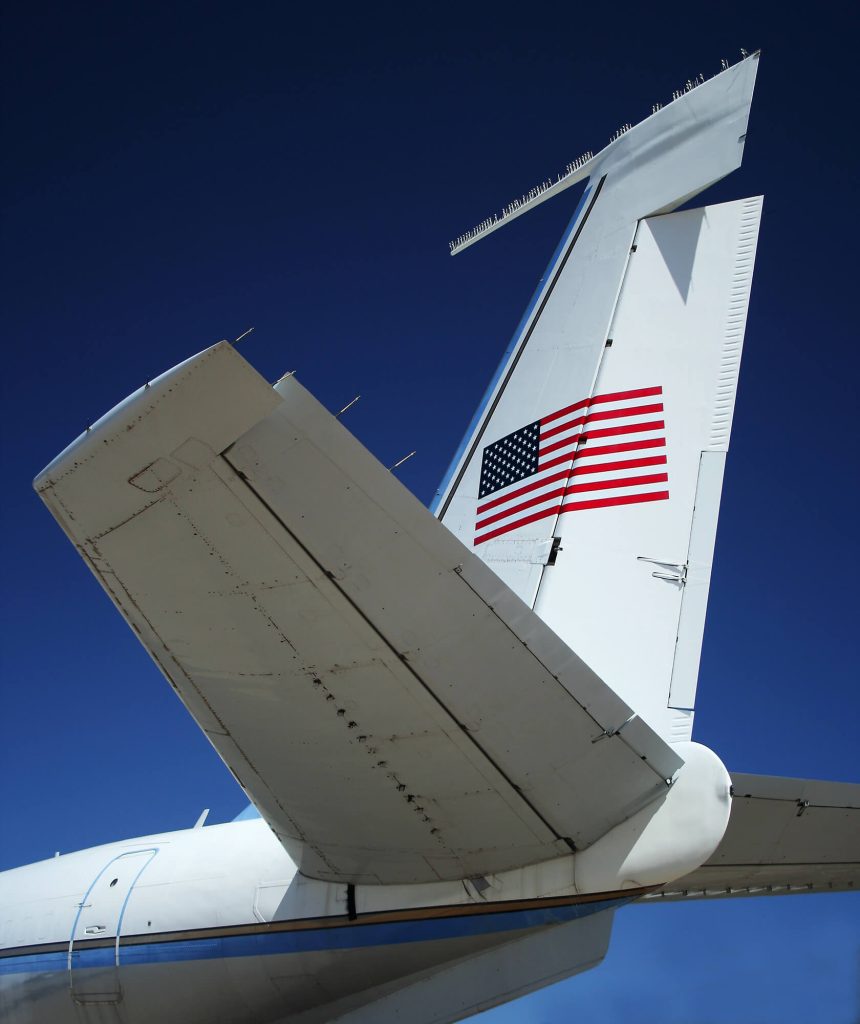
The Boeing 707’s success and innovative design established a blueprint for commercial jetliners that would shape the industry for decades. Its key features became standard elements in subsequent aircraft designs, driving continuous improvements in range, speed, and efficiency.
The Boeing 707’s influence extended far beyond aviation technology, becoming an icon of the jet age during the 1960s and 1970s. Its impact on global connectivity revolutionized international business and tourism, while simultaneously catalyzing the rapid expansion of the airline industry through:
| Preservation Method | Description |
|---|---|
| Museum Collections | Restored 707s displayed at Museum of Flight (Seattle) and Pima Air & Space Museum (Tucson) |
| Historical Documentation | Featured in documentaries, aviation literature, and industry retrospectives |
| Educational Resources | Design principles and operational practices studied by aerospace engineers |
| Industry Impact | Influence visible in modern commercial jet design principles |
Other articles about Boeing aircraft: